大纲
- Kubernetes的Service机制
- Iptables实现Service负载均衡
- 当前Iptables实现存在的问题
- IPVS实现Service负载均衡
- Iptables VS. IPVS
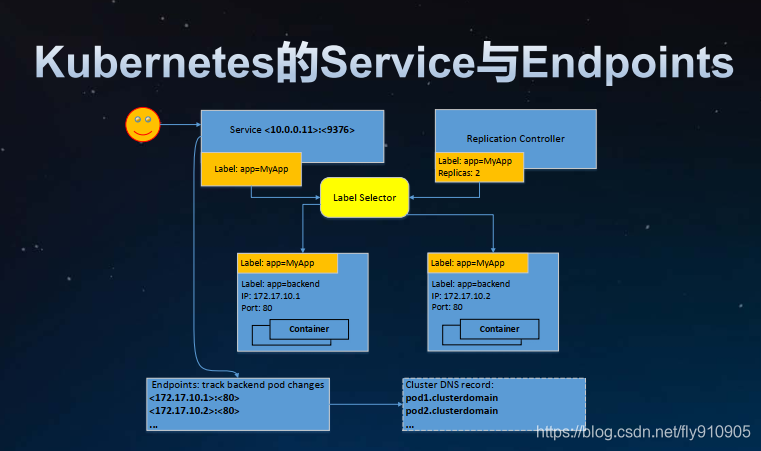
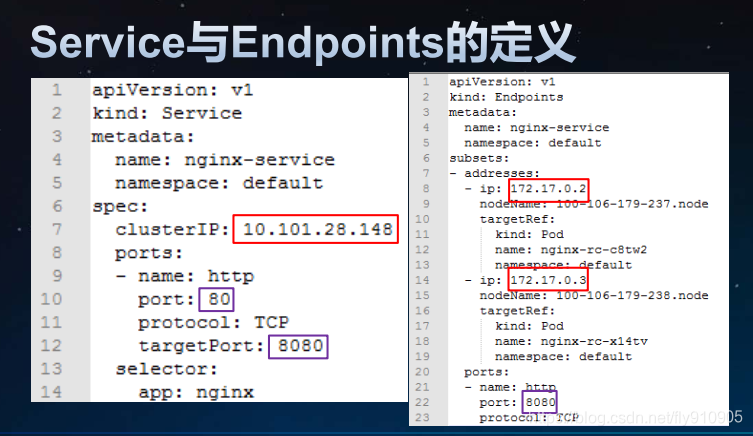
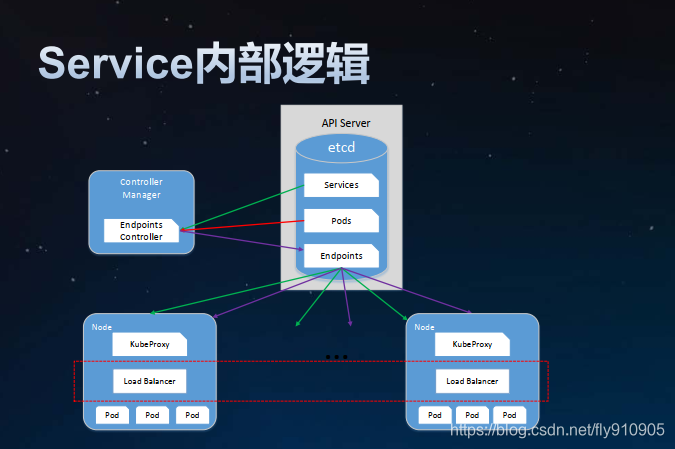
Kubernetes的Service机制
但,简单的生活总是暂时的:
- - 多个后端实例,如何做到负载均衡?
- - 如何保持会话亲和性?
- - 容器迁移, IP发生变化如何访问?
- - 健康检查怎么做?
- - 怎么通过域名访问?

Iptables实现Service负载均衡
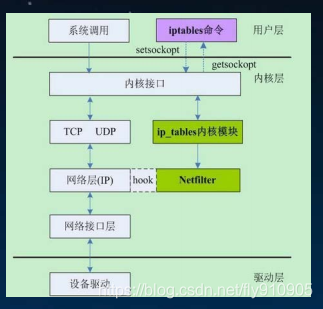
用户空间应用程序,通过配置Netfilter规则表( Xtables )来构建linux内核防火墙。

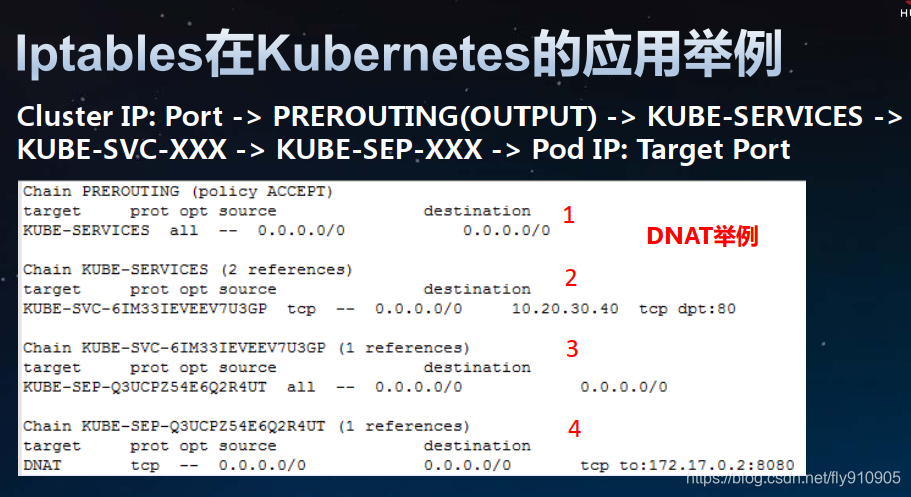
Iptables实现流量转发与负载均衡
Iptables如何做流量转发?
- DNAT实现IP地址和端口映射
- iptables -t nat -A PREROUTING -d 1.2.3.4/32 --dport 80 -j DNAT --to-destination 10.20.30.40:8080
Iptables如何做负载均衡?
- statistic模块为每个后端设置权重
- iptables -t nat -A PREROUTING -d 1.2.3.4 --dport 80 -m statistic --mode random --probability .25 -j DNAT --to-destination 10.20.30.40:8080
Iptables如何做会话保持?
- recent模块设置会话保持时间
- iptables -t nat –A FOO -m recent --rcheck --seconds 3600 --reap --name BAR -j BAR
当前Iptables实现存在的问题
Iptables做负载均衡的问题
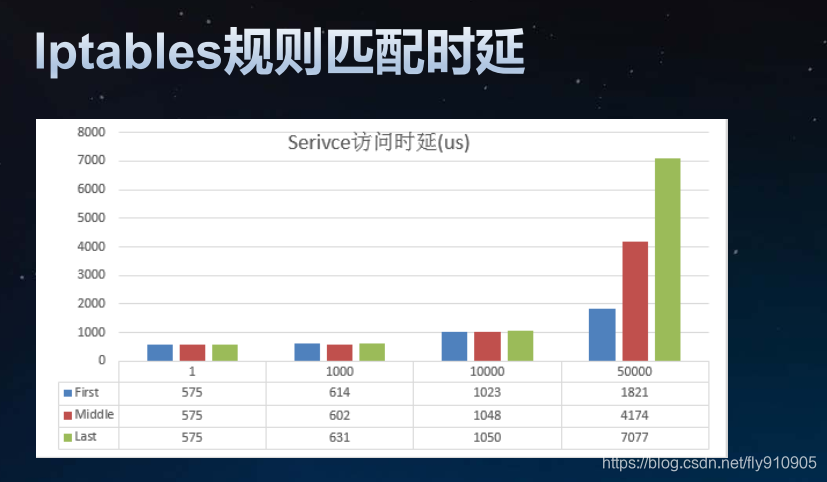
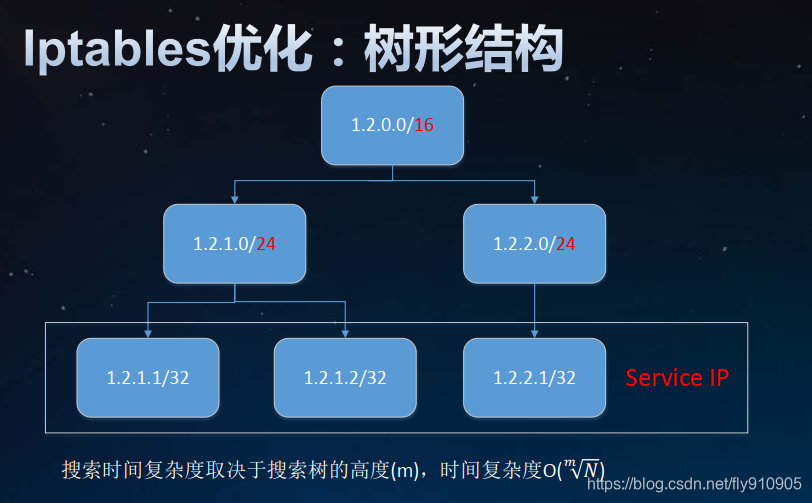
规则线性匹配时延
- - KUBE-SERVICES链挂了一长串KUBE-SVC-*链;访问每个service,要遍历每条链直到匹配,时间复杂度O(N)
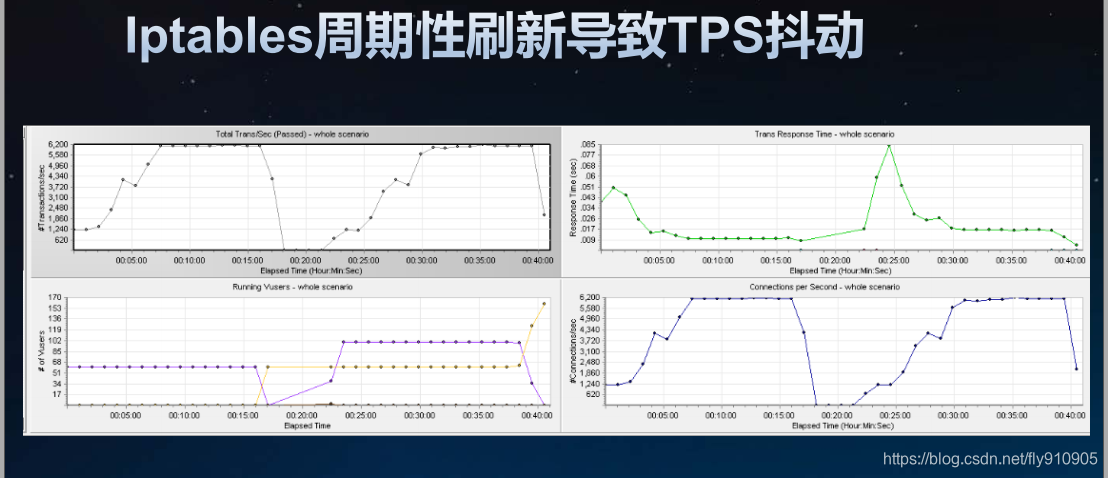
规则更新时延
- - 非增量式
可扩展性
- - 当系统存在大量iptables规则链时,增加/删除规则会出现kernel lock
- kernel lock: Another app is currently holding the xtables lock. Perhaps you want to use the -w option?
可用性
- - 后端实例扩容,服务会话保持时间更新等都会导致连接断开
更新Iptables规则的时延
时延出现在哪?
- - 非增量式,即使加上—no-flush(iptables-restore)选项
- - Kube-proxy定期同步iptables状态:
- * 拷贝所有规则: iptables-save
- * 在内存中更新规则
- * 在内核中修改规则: iptables-restore
- * 规则更新期间存在kernel lock
5K service( 40K 规则),增加一条iptables规则,耗时11min
20K service( 160K 规则),增加一条iptables规则,耗时5h
K8S Scalability
- 5K Nodes, 100K Pod
- 1K Services ??
IPVS实现Service负载均衡
什么是IPVS( IP Virtual Server)
Linux内核实现的L4 LB, LVS负载均衡的实现
基于netfilter, hash table
支持TCP, UDP, SCTP协议, IPV4, IPV6
支持多种负载均衡策略
- - rr, wrr, lc, wlc, sh, dh, lblc…
支持会话保持
- - persistent connection调度算法
IPVS三种转发模式
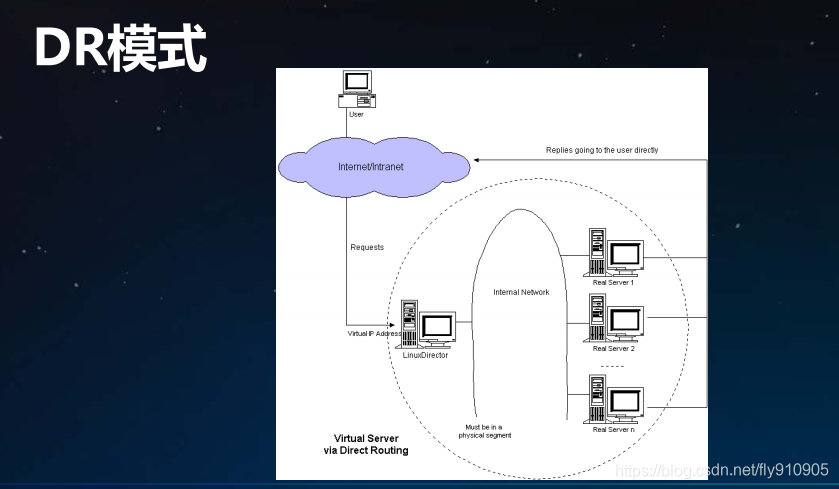
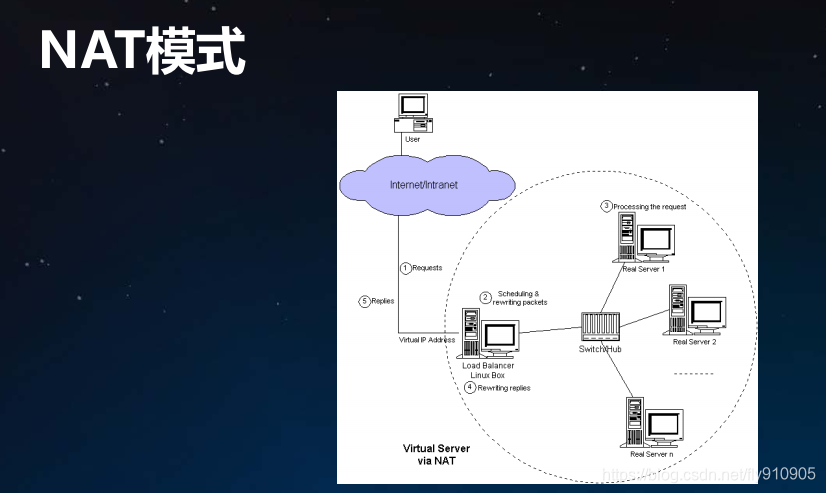
支持三种LB模式: Direct Routing(DR), Tunneling, NAT
- - DR模式工作在L2,最快,但不支持端口映射
- - Tunneling模式用IP包封装IP包,也称IPIP模式,不支持端口映射
- - DR和Tunneling模式,回程报文不会经过IPVS Director
- - NAT模式支持端口映射,回程报文经过IPVS Director
- * 内核原生版本只做DNAT,不做SNAT
IPVS工作流


IPVS做L4转发
1. 绑定VIP
- - dummy网卡
- # ip link add dev dummy0 type dummy
- # ip addr add 192.168.2.2/32 dev dummy0
- - 本地路由表
- # ip route add to local 192.168.2.2/32 dev eth0 proto kernel
- - 网卡别名
- # ifconfig eth0:1 192.168.2.2 netmask 255.255.255.255 up
2. 创建IPVS Virtual Server
- # ipvsadm -A -t 192.168.60.200:80 -s rr -p 600
3. 创建IPVS Real Server
- # ipvsadm -a -t 192.168.60.200:80 -r 172.17.1.2:80 –m
- # ipvsadm -a -t 192.168.60.200:80 -r 172.17.2.3:80 –m

Kubernetes支持IPVS模式
社区1.8 Alpha特性, Owner @m1093782566
社区1.9进beta, Owner @m1093782566
社区1.11进GA,广泛使用下一步成为默认模式
支持ClusterIP, NodePort, External IP, Load Balancer…类型Service
- – iptables模式的特性, IPVS模式都支持!
兼容Network Policy
依赖iptables做SNAT和访问控制
Iptables VS. IPVS
Iptables VS. IPVS 规则刷新时延
| Service基数 | 1 | 5000 | 20000 |
| Rules基数 | 8 | 40000 | 160000 |
| 增加1条Iptables规则 | 50 us | 11 min | 5 hours |
| 增加1条IPVS规则 | 30 us | 50 us | 70 us |
观察结果:
- 增加一条Iptables的时延,随着规则数的增加“指数”上升
- 增加一条IPVS的时延,规则基数对其几乎没影响
Iptables VS. IPVS 网络带宽
| Service基数 | 1 | 5000 | 20000 |
| Rules基数 | 8 | 40000 | 160000 |
| 增加1条Iptables规则 | 50 us | 11 min | 5 hours |
| 增加1条IPVS规则 | 30 us | 50 us | 70 us |
观察结果:
- 增加一条Iptables的时延,随着规则数的增加“指数”上升
- 增加一条IPVS的时延,规则基数对其几乎没影响
Iptables VS. IPVS 资源消耗
| 消耗资源 | Service数量 | IPVS | Iptables |
| 内存 | 1000 | 386 MB | 1.1 G |
| 5000 | N/A | 1.9 G | |
| 10000 | 542 MB | 2.3 G | |
| 15000 | N/A | OOM | |
| 50000 | 1272 MB | OOM | |
| CPU | 1000 | 0% | N/A |
| 5000 | 50% - 85% | ||
| 10000 | 50%-100% | ||
| 15000 | N/A | ||
| 50000 | N/A |
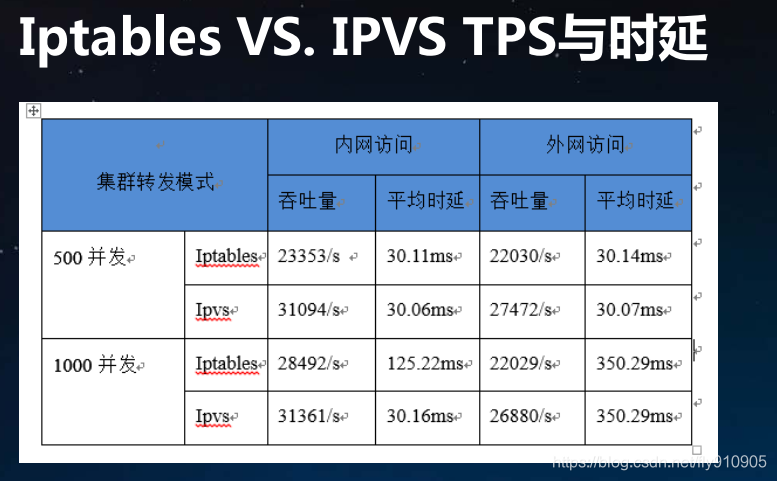
Iptables VS. IPVS TPS与时延
Iptables
- 灵活,功能强大
- 在prerouting, postrouting, forward, input, output不同阶段都能对包进行操作
IPVS
- 更好的性能(hash vs. chain)
- 更多的负载均衡算法
- - rr, wrr, lc, wlc, ip hash…
- 连接保持
- - IPVS service更新期间,保持连接不断开
- 预先加载内核模
- - nf_conntrack_ipv4, ip_vs, ip_vs_rr, ip_vs_wrr, ipvs_sh…
- # echo 1 > /proc/sys/net/ipv4/vs/conntrack
为什么还需要Iptables
因为我们访问了一层Service IP!
Node IP -> Service IP( Gateway) -> C
客户端:( Node IP, Service IP), 期望:( Service IP, Node IP)
但实际,经过IPVS一层转发,包地址变成了( Node IP, C)
服务端发出:( C, Node IP) 这个包的源/目的地址与客户端期望的不一样! 故将被丢弃
因此,需要一次SNAT( masquerade)!!
( Node IP, Service IP) -> ( IPVS director IP, C)
这也是为什么IPVS NAT模式要求回程报文必须经过director!
提问:为什么Container A -> Cluster IP -> Container B?
IPSet - 把O(N)的iptables规则降为O(1)
但,不想要太多iptables…
ipset create KUBE-LOOP-BACK hash:ip,port,ip
ipset add KUBE-LOOP-BACK 192.168.1.1,udp:53,192.168.1.1
ipset add KUBE-LOOP-BACK 192.168.1.2,tcp:80,192.168.1.2
iptables -t nat -A POSTROUTING -m set --match-set KUBE-LOOP-BACK dst,dst,src -j MASQUERADEOUTING O(1)
ipset支持“增量”式增/删/改,而非iptables式全量更新