通过前面十五个过滤器功能的介绍,对于SpringSecurity简单入门中的疑惑是不是在心中已经有了答案了呀? 但新的问题来了!我们并没有配置这些过滤器啊?它们都是怎么被加载出来的?
1-DelegatingFilterProxy
我们在web.xml中配置了一个名称为springSecurityFilterChain的过滤器DelegatingFilterProxy,接下我直接对 DelegatingFilterProxy源码里重要代码进行说明,其中删减掉了一些不重要的代码,大家注意我写的注释就行了!
public class DelegatingFilterProxy extends GenericFilterBean {
    @Nullable
    private String contextAttribute;
    @Nullable
    private WebApplicationContext webApplicationContext;
    @Nullable
    private String targetBeanName;
    private boolean targetFilterLifecycle;
    @Nullable
    private volatile Filter delegate;//注:这个过滤器才是真正加载的过滤器
    private final Object delegateMonitor;
    //注:doFilter才是过滤器的入口,直接从这看!
    public void doFilter(ServletRequest request,
                         ServletResponse response,
                         FilterChain
                         filterChain) throws ServletException, IOException {
        Filter delegateToUse = this.delegate;
        if (delegateToUse == null) {
            synchronized(this.delegateMonitor) {
                delegateToUse = this.delegate;
                if (delegateToUse == null) {
                    WebApplicationContext wac = this.findWebApplicationContext();
                    if (wac == null) {
                        throw new IllegalStateException("No WebApplicationContext found: no
                        ContextLoaderListener or DispatcherServlet registered?");
                    }
                    //第一步:doFilter中最重要的一步,初始化上面私有过滤器属性delegate
                    delegateToUse = this.initDelegate(wac);
                }
                this.delegate = delegateToUse;
            }
        }
        //第三步:执行FilterChainProxy过滤器
        this.invokeDelegate(delegateToUse, request, response, filterChain);
    }
    //第二步:直接看最终加载的过滤器到底是谁
    protected Filter initDelegate(WebApplicationContext wac) throws ServletException {
        //debug得知targetBeanName为:springSecurityFilterChain
        String targetBeanName = this.getTargetBeanName();
        Assert.state(targetBeanName != null, "No target bean name set");
        //debug得知delegate对象为:FilterChainProxy
        Filter delegate = (Filter)wac.getBean(targetBeanName, Filter.class);
        if (this.isTargetFilterLifecycle()) {
            delegate.init(this.getFilterConfig());
      }
    return delegate;
    }
}
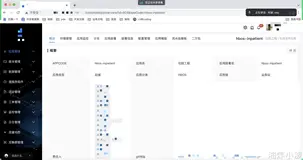
第二步debug结果如下:

由此可知,DelegatingFilterProxy通过springSecurityFilterChain这个名称,得到了一个FilterChainProxy过滤器, 最终在第三步执行了这个过滤器。
2-FilterChainProxy
注意代码注释!
public class FilterChainProxy extends GenericFilterBean {
    private static final Log logger = LogFactory.getLog(FilterChainProxy.class);
    private static final String FILTER_APPLIED =
    FilterChainProxy.class.getName().concat(".APPLIED");
    private List<SecurityFilterChain> filterChains;
    private FilterChainProxy.FilterChainValidator filterChainValidator;
    private HttpFirewall firewall;
    //咿!?可以通过一个叫SecurityFilterChain的对象实例化出一个FilterChainProxy对象
    //这FilterChainProxy又是何方神圣?会不会是真正的过滤器链对象呢?先留着这个疑问!
    public FilterChainProxy(SecurityFilterChain chain) {
        this(Arrays.asList(chain));
    }
    //又是SecurityFilterChain这家伙!嫌疑更大了!
    public FilterChainProxy(List<SecurityFilterChain> filterChains) {
        this.filterChainValidator = new FilterChainProxy.NullFilterChainValidator();
        this.firewall = new StrictHttpFirewall();
        this.filterChains = filterChains;
    }
    //注:直接从doFilter看
    public void doFilter(ServletRequest request, ServletResponse response, FilterChain chain)
    throws IOException, ServletException {
        boolean clearContext = request.getAttribute(FILTER_APPLIED) == null;
        if (clearContext) {
            try {
                request.setAttribute(FILTER_APPLIED, Boolean.TRUE);
                this.doFilterInternal(request, response, chain);
            } finally {
                SecurityContextHolder.clearContext();
                request.removeAttribute(FILTER_APPLIED);
            }
        } else {
            //第一步:具体操作调用下面的doFilterInternal方法了
            this.doFilterInternal(request, response, chain);
        }
    }
    private void doFilterInternal(ServletRequest request, ServletResponse response, FilterChain
                                  chain) throws IOException, ServletException {
        FirewalledRequest fwRequest =
        this.firewall.getFirewalledRequest((HttpServletRequest)request);
        HttpServletResponse fwResponse =
        this.firewall.getFirewalledResponse((HttpServletResponse)response);
        //第二步:封装要执行的过滤器链,那么多过滤器就在这里被封装进去了!
        List<Filter> filters = this.getFilters((HttpServletRequest)fwRequest);
        if (filters != null && filters.size() != 0) {
            FilterChainProxy.VirtualFilterChain vfc = new
            FilterChainProxy.VirtualFilterChain(fwRequest, chain, filters);
            //第四步:加载过滤器链
            vfc.doFilter(fwRequest, fwResponse);
        } else {
            if (logger.isDebugEnabled()) {
                logger.debug(UrlUtils.buildRequestUrl(fwRequest)
                             + (filters == null ? " has no matching filters" : " has an empty filter list"));
            }
            fwRequest.reset();
            chain.doFilter(fwRequest, fwResponse);
        }
    }
    private List<Filter> getFilters(HttpServletRequest request) {
        Iterator var2 = this.filterChains.iterator();
        //第三步:封装过滤器链到SecurityFilterChain中!
        SecurityFilterChain chain;
        do {
            if (!var2.hasNext()) {
                return null;
            }
                chain = (SecurityFilterChain)var2.next();
    } while(!chain.matches(request));
    return chain.getFilters();
  }
}
第二步debug结果如下图所示,惊不惊喜?十五个过滤器都在这里了!

再看第三步,怀疑这么久!原来这些过滤器还真是都被封装进SecurityFilterChain中了。
3-SecurityFilterChain
最后看SecurityFilterChain,这是个接口,实现类也只有一个,这才是web.xml中配置的过滤器链对象!
//接口
public interface SecurityFilterChain {
    boolean matches(HttpServletRequest var1);
    List<Filter> getFilters();
}
//实现类
public final class DefaultSecurityFilterChain implements SecurityFilterChain {

    private static final Log logger = LogFactory.getLog(DefaultSecurityFilterChain.class);
    private final RequestMatcher requestMatcher;
    private final List<Filter> filters;

    public DefaultSecurityFilterChain(RequestMatcher requestMatcher,
                                      Filter... filters) {
        this(requestMatcher, Arrays.asList(filters));
    }

    public DefaultSecurityFilterChain(RequestMatcher requestMatcher,
                                      List<Filter> filters) {
        logger.info("Creating filter chain: " + requestMatcher + ", " + filters);
        this.requestMatcher = requestMatcher;
        this.filters = new ArrayList(filters);
    }

    public RequestMatcher getRequestMatcher() {
        return this.requestMatcher;
    }

    public List<Filter> getFilters() {
        return this.filters;
    }

    public boolean matches(HttpServletRequest request) {
        return this.requestMatcher.matches(request);
    }

    public String toString() {
        return "[ " + this.requestMatcher + ", " + this.filters + "]";
    }
}
总结:通过此章节,我们对SpringSecurity工作原理有了一定的认识。但理论千万条,功能第一条,探寻底层,是为了更好的使用框架。 那么,言归正传!到底如何使用自己的页面来实现SpringSecurity的认证操作呢?要完成此功能,首先要有一套自己的页面!