1. 数据合并
题目描述
将两个从小到大排列的一维数组 (维长分别为 m,n , 其中 m,n≤100) 仍按从小到大的排列顺序合并到一个新的一维数组中,输出新的数组.
输入描述
第 1 行一个正整数 m , 表示第一个要合并的一维数组中的元素个数
第 2 行一个正整数 n , 表示第二个要合并的一维数组中的元素个数
第 3 行输入 m 个整数 (每个数用空格分开) , 表示第一个数组元素的值.
第 4 行输入 n 个整数 (每个数用空格分开) , 表示第二个数组元素的值.
输出描述
一行,表示合并后的数据,共 m +n 个数
样例输入
3
4
1 3 5
2 4 6 8
样例输出
1 2 3 4 5 6 8
代码:
#include <iostream>
using namespace std;
void merge(int * a1, int m, int * a2, int n)
{
  int m1 = m - 1;
  int n1 = n - 1;
  for (int i = m + n - 1; i >= 0; i--)
  {
    if (m1 < 0) a1[i] = a2[n1--];
    else if (n1 < 0) a1[i] = a1[m1--];
    else if (a1[m1] < a2[n1]) a1[i] = a2[n1--];
    else a1[i] = a1[m1--];
  }
}
int main()
{
  int m;
  int n;
  cin >> m;
  cin >> n;
  int a1[201];
  int a2[101];
  for (int i = 0; i < m; i++) cin >> a1[i];
  for (int i = 0; i < n; i++) cin >> a2[i];
  merge(a1, m, a2, n);
  for (int i = 0; i < m + n; i++) cout << a1[i] << " ";
  return 0;
}
输入输出:
3
4
1 3 5
2 4 6 8
1 2 3 4 5 6 8
--------------------------------
Process exited after 5.567 seconds with return value 0
请按任意键继续. . .
2. 回文链表
给你一个单链表的头节点 head ,请你判断该链表是否为回文链表。如果是,返回 true ;否则,返回 false 。
示例 1:

输入:head = [1,2,2,1]
输出:true
示例 2:
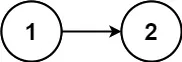
输入:head = [1,2]
输出:false
提示:
- 链表中节点数目在范围
[1, 105]内 0 <= Node.val <= 9
进阶:你能否用 O(n) 时间复杂度和 O(1)空间复杂度解决此题?
代码:
#include <bits/stdc++.h>
using namespace std;
struct ListNode
{
    int val;
    ListNode *next;
    ListNode(int x) : val(x), next(NULL) {}
};
class Solution
{
public:
    bool isPalindrome(ListNode *head)
    {
        vector<int> v;
        while (head != NULL)
        {
            v.push_back(head->val);
            head = head->next;
        }
        for (int i = 0; i < v.size(); i++)
        {
            if (v[i] != v[v.size() - i - 1])
                return false;
        }
        return true;
    }
};
ListNode* CreateList(vector<int>& nums)
{
  ListNode *head, *temp, *node;
  head = nullptr;
  temp = nullptr;
  for (const auto data : nums)
  {
    node = new ListNode(data);
    if (head == nullptr)
      head = node;
    else
      temp->next = node;
    temp = node;
    temp->next = nullptr;
  }
  return head;
}
void PrintList(ListNode* p)
{
  while(p->next != NULL)
  {
    cout << p->val << "->";
    p = p->next;
  }
  cout << p->val << endl;
}
int main()
{
  Solution s;
  ListNode* head = (ListNode*)malloc(sizeof(ListNode));
  vector <int> nums = {1,2,2,1};
  head = CreateList(nums);
  PrintList(head);
  cout << s.isPalindrome(head) << endl;
  nums = {1,2};
  head = CreateList(nums);
  PrintList(head);
  cout << s.isPalindrome(head) << endl;
  return 0;
}
输入输出:
1->2->2->1
1
1->2
0
--------------------------------
Process exited after 0.01983 seconds with return value 0
请按任意键继续. . .
3. 完美矩形
我们有 N 个与坐标轴对齐的矩形, 其中 N > 0, 判断它们是否能精确地覆盖一个矩形区域。
每个矩形用左下角的点和右上角的点的坐标来表示。例如, 一个单位正方形可以表示为 [1,1,2,2]。 ( 左下角的点的坐标为 (1, 1) 以及右上角的点的坐标为 (2, 2) )。

示例 1:
rectangles = [
[1,1,3,3],
[3,1,4,2],
[3,2,4,4],
[1,3,2,4],
[2,3,3,4]
]
返回 true。5个矩形一起可以精确地覆盖一个矩形区域。

示例 2:
rectangles = [
[1,1,2,3],
[1,3,2,4],
[3,1,4,2],
[3,2,4,4]
]
返回 false。两个矩形之间有间隔,无法覆盖成一个矩形。
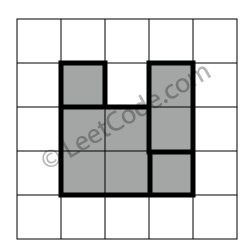
示例 3:
rectangles = [
[1,1,3,3],
[3,1,4,2],
[1,3,2,4],
[3,2,4,4]
]
返回 false。图形顶端留有间隔,无法覆盖成一个矩形。
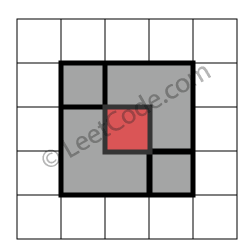
示例 4:
rectangles = [
[1,1,3,3],
[3,1,4,2],
[1,3,2,4],
[2,2,4,4]
]
返回 false。因为中间有相交区域,虽然形成了矩形,但不是精确覆盖。
代码:
#include <bits/stdc++.h>
using namespace std;
class Solution
{
public:
    bool isRectangleCover(vector<vector<int>> &ret)
    {
        set<pair<int, int>> s;
        int x1 = INT_MAX, y1 = INT_MAX, x2 = INT_MIN, y2 = INT_MIN, area = 0;
        for (int i = 0; i < ret.size(); ++i)
        {
            x1 = min(ret[i][0], x1);
            x2 = max(ret[i][2], x2);
            y1 = min(ret[i][1], y1);
            y2 = max(ret[i][3], y2);
            area += (ret[i][2] - ret[i][0]) * (ret[i][3] - ret[i][1]);
            if (s.find({ret[i][0], ret[i][1]}) == s.end())
                s.insert({ret[i][0], ret[i][1]});
            else
                s.erase({ret[i][0], ret[i][1]});
            if (s.find({ret[i][2], ret[i][3]}) == s.end())
                s.insert({ret[i][2], ret[i][3]});
            else
                s.erase({ret[i][2], ret[i][3]});
            if (s.find({ret[i][0], ret[i][3]}) == s.end())
                s.insert({ret[i][0], ret[i][3]});
            else
                s.erase({ret[i][0], ret[i][3]});
            if (s.find({ret[i][2], ret[i][1]}) == s.end())
                s.insert({ret[i][2], ret[i][1]});
            else
                s.erase({ret[i][2], ret[i][1]});
        }
        if (s.size() != 4 || !s.count({x1, y1}) || !s.count({x1, y2}) || !s.count({x2, y1}) || !s.count({x2, y2}))
            return false;
        return area == (x2 - x1) * (y2 - y1);
    }
};
int main()
{
  Solution s;
  vector<vector<int>> rect = {
    {1,1,3,3},
    {3,1,4,2},
    {3,2,4,4},
    {1,3,2,4},
    {2,3,3,4}
  };
  cout << s.isRectangleCover(rect) << endl;
  rect = {{1,1,2,3}, {1,3,2,4}, {3,1,4,2}, {3,2,4,4}};
  cout << s.isRectangleCover(rect) << endl;
  return 0;
}
输入输出:
1
0
--------------------------------
Process exited after 0.02076 seconds with return value 0
请按任意键继续. . .
附: 单链表的操作
基本操作:
1、单链表的初始化
2、单链表的创建
3、单链表的插入
4、单链表的删除
5、单链表的取值
6、单链表的查找
7、单链表的判空
8、单链表的求长
9、单链表的清空
10、单链表的销毁
11、单链表的打印
线性表链式存储结构的优点:
1、结点空间可以动态申请和释放;
2、数据元素的逻辑次序靠结点的指针来指示,插入和删除时不需要移动数据元素。
线性表链式存储结构的缺点:
1、存储密度小,每个结点的指针域需额外占用存储空间。当每个结点的数据域所占字节不多时,指针域所占存储空间的比重显得很大;
2、链式存储结构是非随机存取结构。对任一结点的操作都要从头指针依指针链查找到该结点,这增加了算法的复杂度。
以下为单链表的常用操作代码,来源于网络未经测试,仅供参考。
#include<algorithm>
#include<iostream>
#include<vector>
using namespace std;
struct ListNode
{
  int data;
  ListNode* next;//结构体指针
};
void Listprintf(ListNode* phead)
{
  ListNode* cur=phead;
  while (cur != NULL)
  {
    cout << cur->data << "->";
    cur = cur->next;
  }
}
void Listpushback(ListNode** pphead, int x)
{
  ListNode* newnode = new ListNode{ x,NULL };
  if (*pphead == NULL)
  {
    *pphead = newnode;
  }
  else
  {
    ListNode* tail=  *pphead;
    while(tail->next != NULL)
    {
      tail = tail->next;
    }
    tail->next = newnode;
  }
}
void test_1()
{
  ListNode* phead = NULL;
  Listpushback(&phead, 1);
  Listpushback(&phead, 2);
  Listpushback(&phead, 3);
  Listprintf(phead);
}
int main()
{
  test_1();
  return 0;
}
#include<algorithm>
#include<iostream>
#include<vector>
using namespace std;
struct ListNode
{
  int data;
  ListNode* next;//结构体指针
};
void Listprintf(ListNode* phead)
{
  ListNode* cur=phead;
  while (cur != NULL)
  {
    cout << cur->data << "->";
    cur = cur->next;
  }
  cout << "NULL" << endl;
}
//尾插
void Listpushback(ListNode** pphead, int x)
{
  ListNode* newnode = new ListNode{ x,NULL };
  if (*pphead == NULL)
  {
    *pphead = newnode;
  }
  else
  {
    ListNode* tail=  *pphead;
    while(tail->next != NULL)
    {
      tail = tail->next;
    }
    tail->next = newnode;
  }
}
//头插
void Listpushfront(ListNode** pphead, int x)
{
  ListNode* newnode = new ListNode{ x,NULL };
  newnode->next = *pphead;
  *pphead = newnode;
}
//尾删
void Listpopback(ListNode** pphead)
{
  if (*pphead == NULL)
  {
    return;
  }
  if ((*pphead)->next == NULL)
  {
    delete(*pphead);
    *pphead = NULL;
  }
  else
  {
    ListNode* tail = *pphead;
    ListNode* prev = NULL;
    while (tail->next)
    {
      prev = tail;
      tail = tail->next;
    }
    delete(tail);
    tail = NULL;
    prev->next = NULL;
  }
}
//头删
void Listpopfront(ListNode** pphead)
{
  if (*pphead == NULL)
  {
    return;
  }
  else
  {
    ListNode* newnode = (*pphead)->next;
    delete(*pphead);
    *pphead = newnode;
  }
}
//查找元素,返回值是地址
ListNode* Listfind(ListNode* phead, int x)
{
  ListNode* cur = phead;
  while (cur)
  {
    if (cur->data == x)
    {
      return cur;
    }
    else
    {
      cur = cur->next;
    }
  }
  return NULL;
}
//插入元素,在pos的前一个位置插入
//配合Listfind使用,具体使用见test_insert函数
void Listinsert(ListNode** phead, ListNode* pos, int x)
{
  ListNode* newnode = new ListNode{ x,NULL };
  if (*phead == pos)
  {
    newnode->next = (*phead);
    *phead = newnode;
  }
  else
  {
    ListNode* posprev = *phead;
    while (posprev->next != pos)
    {
      posprev = posprev->next;
    }
    posprev->next = newnode;
    newnode->next = pos;
  }
}
//单链表并不适合在前一个位置插入,因为运算较麻烦,会损失效率
//包括c++中为单链表提供的库函数也只有一个insert_after而没有前一个位置插入
//在后一个位置插入相对简单
void Listinsert_after(ListNode** phead, ListNode* pos, int x)
{
  ListNode* newnode = new ListNode{ x,NULL };
  newnode->next = pos->next;
  pos->next = newnode;
}
//删除指定位置的节点
void Listerase(ListNode** pphead, ListNode* pos)
{
  if (*pphead == pos)
  {
    *pphead = pos->next;
    delete(pos);
  }
  else
  {
    ListNode* prev = *pphead;
    while (prev->next!=pos)
    {
      prev = prev->next;
    }
    prev->next = pos->next;
    delete(pos);
  }
}
//释放链表
void Listdestory(ListNode** pphead)
{
  ListNode* cur = *pphead;
  while(cur)
  {
    ListNode* next = cur->next;
    delete(cur);
    cur = next;
  }
  *pphead = NULL;
}
void test_insert()
{
  ListNode* phead = NULL;
  Listpushback(&phead, 1);
  Listpushback(&phead, 2);
  Listpushback(&phead, 3);
  Listprintf(phead);
  ListNode* pos = Listfind(phead, 2);
  if (pos != NULL)
  {
    Listinsert(&phead, pos, 20);
  }
  Listprintf(phead);
  pos = Listfind(phead, 2);
  if (pos != NULL)
  {
    Listinsert_after(&phead, pos, 20);
  }
  Listprintf(phead);
  Listdestory(&phead);
}
void test_find()
{
  ListNode* phead = NULL;
  Listpushback(&phead, 1);
  Listpushback(&phead, 2);
  Listpushback(&phead, 3);
  Listprintf(phead);
  ListNode* pos = Listfind(phead, 2);
  if (pos != NULL)
  {
    pos->data = 20;//Listfind不仅能查找,也能借此修改,这也是函数返回地址的原因
  }
  Listprintf(phead);
  Listdestory(&phead);
}
void test_erase()
{
  ListNode* phead = NULL;
  Listpushback(&phead, 1);
  Listpushback(&phead, 2);
  Listpushback(&phead, 3);
  Listprintf(phead);
  ListNode* pos = Listfind(phead, 2);
  if (pos != NULL)
  {
    Listerase(&phead, pos);
  }
  Listprintf(phead);
  Listdestory(&phead);
}
void test_pop_and_push()
{
  ListNode* phead = NULL;
  Listpushback(&phead, 1);
  Listpushback(&phead, 2);
  Listpushback(&phead, 3);
  Listprintf(phead);
  Listpushfront(&phead, 1);
  Listpushfront(&phead, 2);
  Listpushfront(&phead, 3);
  Listprintf(phead);
  Listpopback(&phead);
  Listpopfront(&phead);
  Listprintf(phead);
  Listdestory(&phead);
}
int main()
{
  //test_pop_and_push();
  test_find();
  //test_insert();
  //test_erase();
  return 0;
}
#include<algorithm>
#include<iostream>
#include<vector>
using namespace std;
struct ListNode
{
  int data;
  ListNode* next;//结构体指针
};
void Listprintf(ListNode* phead)
{
  ListNode* cur=phead;
  while (cur != NULL)
  {
    cout << cur->data << "->";
    cur = cur->next;
  }
  cout << "NULL" << endl;
}
void Listpushback(ListNode** pphead, int x)
{
  ListNode* newnode = new ListNode{ x,NULL };
  if (*pphead == NULL)
  {
    *pphead = newnode;
  }
  else
  {
    ListNode* tail=  *pphead;
    while(tail->next != NULL)
    {
      tail = tail->next;
    }
    tail->next = newnode;
  }
}
ListNode* creatlist()
{
  ListNode* phead = NULL;
  Listpushback(&phead, 1);
  Listpushback(&phead, 9);
  Listpushback(&phead, 6);
  Listpushback(&phead, 8);
  Listpushback(&phead, 6);
  Listpushback(&phead, 2);
  Listpushback(&phead, 3);
  return phead;
}
ListNode* removeElements(ListNode* head, int x)
{
  ListNode* prev = NULL;
  ListNode* cur = head;
  while (cur)
  {
    if (cur->data == x)
    {
      if (cur == head)//如果第一个元素就是要删除的,进行头删
      {
        head = cur->next;
        delete(cur);
        cur = head;
      }
      else
      {
        prev->next = cur->next;
        delete(cur);
        cur = prev->next;
      }
    }
    else
    {
      prev = cur;
      cur = cur->next;
    }
  }
  return head;
}
int main()
{
  ListNode*phead = creatlist();//先创建一条链表
  Listprintf(phead);
  phead = removeElements(phead, 6);//删除值为6的节点
  Listprintf(phead);
  return 0;
}
ListNode* reverseList(ListNode* head)
{
  if (head == NULL)
  {
    return NULL;
  }
  ListNode* prev, * cur, * next;
  prev = NULL;
  cur = head;
  next = cur->next;
  while (cur)
  {
    cur->next = prev;//翻转指针
    //往后迭代
    prev = cur;
    cur = next;
    if (next)//这里是因为当cur指向最后一个节点的时候,next就已经是NULL了,这个时候如果再执行next=next->next则会出现错误
    {
      next = next->next;
    }
  }
  return prev;
}
ListNode* reverseList(ListNode* head)
{
  ListNode* cur = head;
  ListNode* newlist = NULL;
  ListNode* next = NULL;
  while (cur)
  {
    next = cur->next;
    //头插
    cur->next = newlist;
    newlist = cur;
    //往后迭代
    cur = next;
  }
  return newlist;
}
ListNode* middleNode(ListNode* head)
{
  ListNode* slow, * fast;
  slow = fast = head;
  while (fast && fast->next)
  {
    slow = slow->next;
    fast = fast->next->next;
  }
  return slow;
}
ListNode* findK(ListNode* head, int k)
{
  ListNode* fast, * slow;
  fast = slow = head;
  while(k--)
  {
    if (fast == NULL)//如果当fast等于NULL时k仍不为0,则k大于链表长度
    {
      return NULL;
    }
    fast = fast->next;
  }
  while (fast)
  {
    fast = fast->next;
    slow = slow->next;
  }
  return slow;
}
ListNode* mergeTwoList(ListNode* l1, ListNode* l2)
{
  if (l1 == NULL)//如果一个链表为空,则返回另一个
  {
    return l2;
  }
  if (l2 == NULL)
  {
    return l1;
  }
  ListNode* head = NULL;
  ListNode* tail = NULL;
  while (l1 && l2)
  {
    if (l1->data < l2->data)
    {
      if (head == NULL)
      {
        head = tail =l1;
      }
      else
      {
        tail->next = l1;
        tail = l1;
      }
      l1 = l1->next;
    }
    else
    {
      if (head == NULL)
      {
        head = tail = l2;
      }
      else
      {
        tail->next = l2;
        tail = l2;
      }
      l2 = l2->next;
    }
  }
  if (l1)
  {
    tail->next = l1;
  }
  if(l2)
  {
    tail->next = l2;
  }
  return head;
}
ListNode* mergeTwoList(ListNode* l1, ListNode* l2)
{
  if (l1 == NULL)//如果一个链表为空,则返回另一个
  {
    return l2;
  }
  if (l2 == NULL)
  {
    return l1;
  }
  ListNode* head = NULL, * tail = NULL;
  head = tail = new ListNode;//哨兵位的头结点
  while (l1 && l2)
  {
    if (l1->data < l2->data)
    {
        tail->next = l1;
        tail = l1;
        l1 = l1->next;
    }
    else
    {
      tail->next = l2;
      tail = l2;
      l2 = l2->next;
    }
  }
  if (l1)
  {
    tail->next = l1;
  }
  if (l2)
  {
    tail->next = l2;
  }
  ListNode* list = head->next;
  delete(head);
  return list;
}
ListNode* partition(ListNode* phead, int x)
{
  ListNode* lesshead, * lesstail, * greaterhead, * greatertail;
  lesshead = lesstail = new ListNode;//定义一个哨兵位头结点,方便尾插
  lesstail->next = NULL;
  greaterhead = greatertail = new ListNode;
  greatertail->next = NULL;
  ListNode* cur = phead;
  while (cur)
  {
    if (cur->data < x)
    {
      lesstail->next = cur;
      lesstail = cur;
    }
    else
    {
      greatertail->next = cur;
      greatertail = cur;
    }
    cur = cur->next;
  }
  lesstail->next = greaterhead->next;
  greatertail->next = NULL;//举个例子,这样一条链表:1->4->15->5,现在给的x是6,那么排序后15应该在最后,正因如此,重新排序后15的next是没变的,仍然指向5,不手动将next改为NULL,就会成环,无限排下去。
  ListNode* newhead = lesshead->next;
  delete(lesshead);
  delete(greaterhead);
  return newhead;
}
ListNode* middleNode(ListNode* head)
{
  ListNode* slow, * fast;
  slow = fast = head;
  while (fast && fast->next)
  {
    slow = slow->next;
    fast = fast->next->next;
  }
  return slow;
}
ListNode* reverseList(ListNode* head)
{
  ListNode* cur = head;
  ListNode* newlist = NULL;
  ListNode* next = NULL;
  while (cur)
  {
    next = cur->next;
    //头插
    cur->next = newlist;
    newlist = cur;
    //往后迭代
    cur = next;
  }
  return newlist;
}
bool check(ListNode* head)
{
  ListNode* mid = middleNode(head);
  ListNode* rhead = reverseList(mid);
  ListNode* curHead = head;
  ListNode* curRhead = rhead;
  while(curHead&&curRhead)
  {
    if (curHead->data != curRhead->data)
      return false;
    else
    {
      curHead = curHead->next;
      curRhead = curRhead->next;
    }
  }
  return true;
}