1. 2 的幂
给你一个整数 n,请你判断该整数是否是 2 的幂次方。如果是,返回 true ;否则,返回 false 。
如果存在一个整数 x 使得 n == 2^x ,则认为 n 是 2 的幂次方。
示例 1:
输入:n = 1
输出:true
解释:2^0 = 1
示例 2:
输入:n = 16
输出:true
解释:2^4 = 16
示例 3:
输入:n = 3
输出:false
示例 4:
输入:n = 4
输出:true
示例 5:
输入:n = 5
输出:false
提示:
-2^31 <= n <= 2^31 - 1
进阶:你能够不使用循环/递归解决此问题吗?
代码:
#include <bits/stdc++.h>
using namespace std;
class Solution{
public:
    bool isPowerOfTwo(int n){
        if (n < 1) return false;
        while (n%2 == 0) n /= 2;
        return n == 1;
  }
  void PowerOfTwo(int n){
    cout << (isPowerOfTwo(n) ? "true" : "false") << endl;
  }
};
int main()
{
  Solution s;
    s.PowerOfTwo(1);
    s.PowerOfTwo(16);
    s.PowerOfTwo(3);
    s.PowerOfTwo(4);
    s.PowerOfTwo(5);
  return 0;
}
输出:
true
true
false
true
false
递归法:
#include <bits/stdc++.h>
using namespace std;
class Solution{
public:
    bool isPowerOfTwo(int n){
        if (n < 1) return false;
        else if (n == 1) return true;
        else return n % 2 == 0 && isPowerOfTwo(n / 2);
  }
  void PowerOfTwo(int n){
    cout << (isPowerOfTwo(n) ? "true" : "false") << endl;
  }
};
int main()
{
  Solution s;
    s.PowerOfTwo(1);
    s.PowerOfTwo(16);
    s.PowerOfTwo(3);
    s.PowerOfTwo(4);
    s.PowerOfTwo(5);
  return 0;
}
进阶: 位运算,可以不使用循环/递归
2^n满足条件: n & (n - 1) == 0
#include <bits/stdc++.h>
using namespace std;
class Solution{
public:
    bool isPowerOfTwo(int n){
        return n > 0 && (n & (n - 1)) == 0;
    }
  void PowerOfTwo(int n){
    cout << (isPowerOfTwo(n) ? "true" : "false") << endl;
  }
};
int main()
{
  Solution s;
    s.PowerOfTwo(1);
    s.PowerOfTwo(16);
    s.PowerOfTwo(3);
    s.PowerOfTwo(4);
    s.PowerOfTwo(5);
  return 0;
}
2. 打印年历
要求:模仿现实生活中的挂历。 当前页以系统当前日期的月份为准显示当前月的每一天(显示出日及对应的星期几)。 当系统日期变到下一月时,系统自动翻页到下一月。
代码:
#include <stdio.h>
int year(int y)
{
    if ((y%4==0) && (y%100!=0) || y%400==0)
        return 366;
    else
        return 365;
}
int main()
{
    int y;
    int i,j,sum=0;
    int begin,week;
    int days[12]={31,28,31,30,31,30,31,31,30,31,30,31};
    scanf("%d",&y);
    for(i=1;i<y;i++)
        sum+=year(i);
    week=(sum+1)%7;
    if(year(y)==366)
        days[1]=29;
    printf("\n%d年日历如下:\n",y);
    for(i=0;i<12;i++)
    {
        printf("       %d月          \n",i+1);
        printf("  7  1  2  3  4  5  6\n");
        printf("=====================\n");
        begin=1;
        for(j=0;j<week;j++)
            printf("   ");
        while(begin<=days[i])
        {
            printf("%3d",begin);
            begin++;
            week=(week+1)%7;
            if(week%7==0)
                printf("\n");
        }
        printf("\n");
    }
    return 0;
}
输出:
2023
2023年日历如下:
1月
7 1 2 3 4 5 6
=====================
1 2 3 4 5 6
8 9 10 11 12 13 14
15 16 17 18 19 20 21
22 23 24 25 26 27 28
29 30 31
2月
7 1 2 3 4 5 6
=====================
1 2 3 4
5 6 7 8 9 10 11
12 13 14 15 16 17 18
19 20 21 22 23 24 25
26 27 28
3月
7 1 2 3 4 5 6
=====================
1 2 3 4
5 6 7 8 9 10 11
12 13 14 15 16 17 18
19 20 21 22 23 24 25
26 27 28 29 30 31
4月
7 1 2 3 4 5 6
=====================
1
2 3 4 5 6 7 8
9 10 11 12 13 14 15
16 17 18 19 20 21 22
23 24 25 26 27 28 29
30
5月
7 1 2 3 4 5 6
=====================
1 2 3 4 5 6
7 8 9 10 11 12 13
14 15 16 17 18 19 20
21 22 23 24 25 26 27
28 29 30 31
6月
7 1 2 3 4 5 6
=====================
1 2 3
4 5 6 7 8 9 10
11 12 13 14 15 16 17
18 19 20 21 22 23 24
25 26 27 28 29 30
7月
7 1 2 3 4 5 6
=====================
1
2 3 4 5 6 7 8
9 10 11 12 13 14 15
16 17 18 19 20 21 22
23 24 25 26 27 28 29
30 31
8月
7 1 2 3 4 5 6
=====================
1 2 3 4 5
6 7 8 9 10 11 12
13 14 15 16 17 18 19
20 21 22 23 24 25 26
27 28 29 30 31
9月
7 1 2 3 4 5 6
=====================
1 2
3 4 5 6 7 8 9
10 11 12 13 14 15 16
17 18 19 20 21 22 23
24 25 26 27 28 29 30
10月
7 1 2 3 4 5 6
=====================
1 2 3 4 5 6 7
8 9 10 11 12 13 14
15 16 17 18 19 20 21
22 23 24 25 26 27 28
29 30 31
11月
7 1 2 3 4 5 6
=====================
1 2 3 4
5 6 7 8 9 10 11
12 13 14 15 16 17 18
19 20 21 22 23 24 25
26 27 28 29 30
12月
7 1 2 3 4 5 6
=====================
1 2
3 4 5 6 7 8 9
10 11 12 13 14 15 16
17 18 19 20 21 22 23
24 25 26 27 28 29 30
31
3. 路径交叉
给你一个整数数组 distance 。
从 X-Y 平面上的点 (0,0) 开始,先向北移动 distance[0] 米,然后向西移动 distance[1] 米,向南移动 distance[2] 米,向东移动 distance[3] 米,持续移动。也就是说,每次移动后你的方位会发生逆时针变化。
判断你所经过的路径是否相交。如果相交,返回 true ;否则,返回 false 。
示例 1:

输入:distance = [2,1,1,2]
输出:true
示例 2:
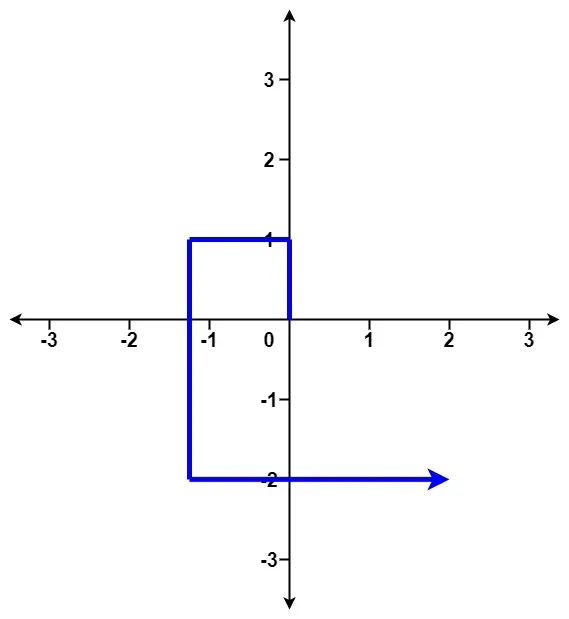
输入:distance = [1,2,3,4]
输出:false
示例 3:
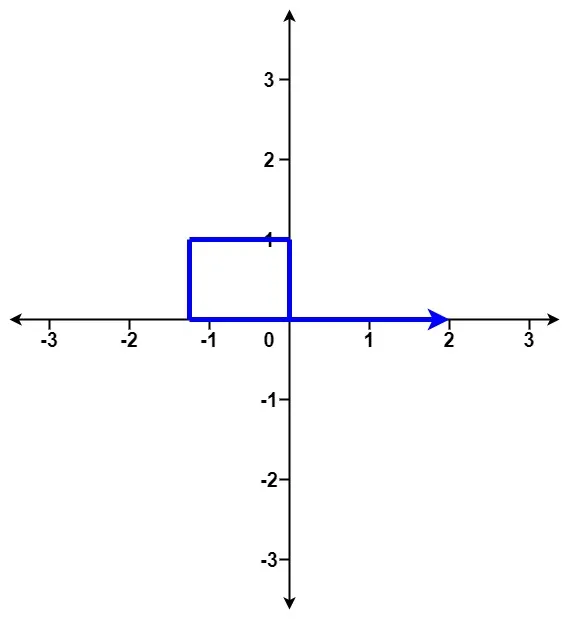
输入:distance = [1,1,1,1]
输出:true
提示:
1 <= distance.length <= 10^51 <= distance[i] <= 10^5
代码:
#include <bits/stdc++.h>
using namespace std;
class Solution
{
public:
    bool isSelfCrossing(vector<int> &distance)
    {
        int all_step = distance.size(), current_step = 0;
        if (all_step < 4)
            return false;
        current_step = 2;
        while (current_step < all_step && distance[current_step] > distance[current_step - 2])
            current_step++;
        if (current_step == all_step)
            return false;
        if (distance[current_step] >= distance[current_step - 2] - (current_step > 3 ? distance[current_step - 4] : 0))
            distance[current_step - 1] -= current_step > 2 ? distance[current_step - 3] : 0;
        current_step++;
        while (current_step < all_step && distance[current_step] < distance[current_step - 2])
            current_step++;
        return current_step != all_step;
    }
};
int main()
{
  Solution s;
  vector<int> nums = {2,1,1,2};
  cout << (s.isSelfCrossing(nums) ? "true" : "false") << endl;
  nums = {1,2,3,4};
  cout << (s.isSelfCrossing(nums) ? "true" : "false") << endl;
  nums = {1,1,1,1};
  cout << (s.isSelfCrossing(nums) ? "true" : "false") << endl;
  return 0;
}
输出:
true
false
true