搜富文本数据如何存入到数据库当中

想要的效果,点击标题能够提交数据:
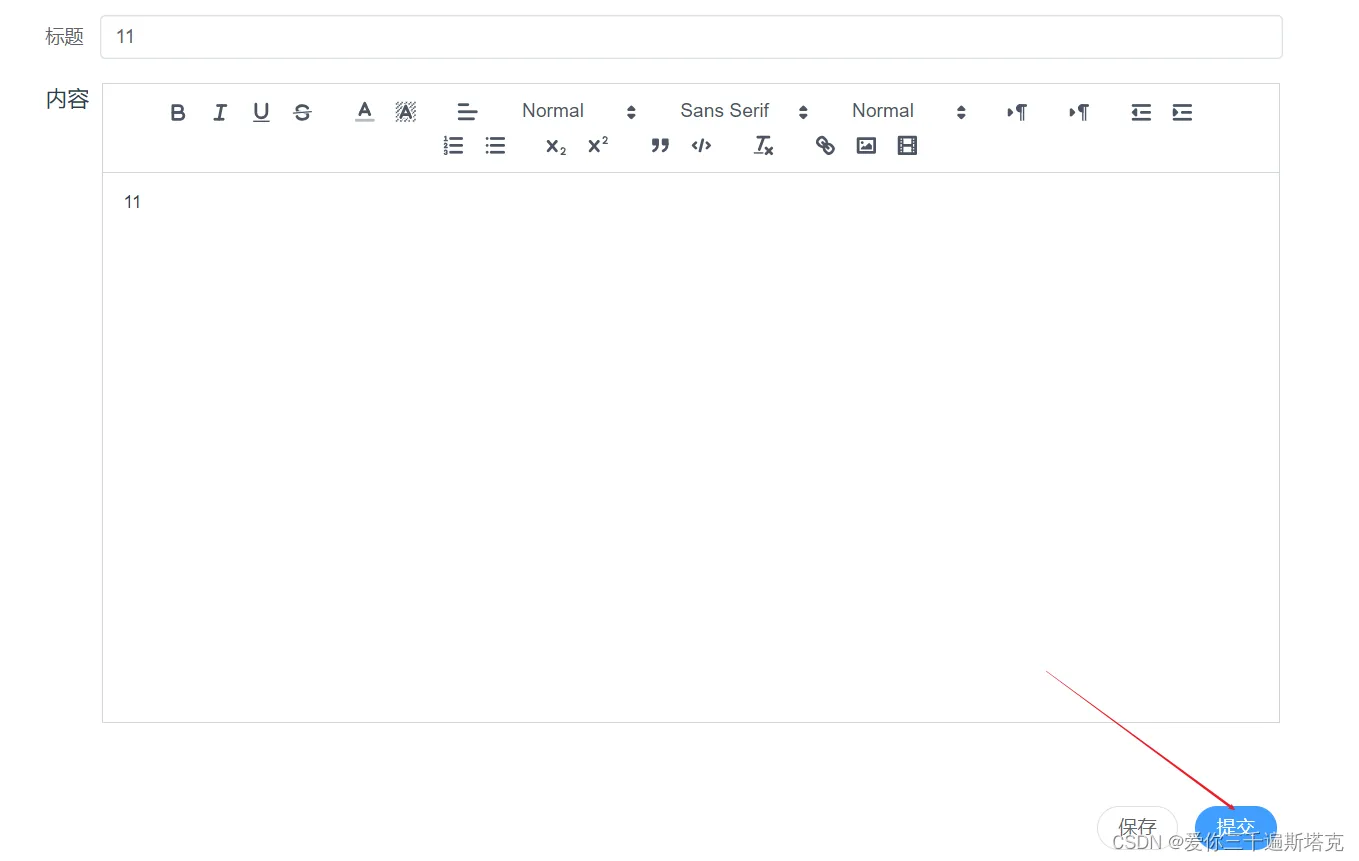
这里能够存入到数据库当中:
解决方法是看资料,第一步先定义数据模型
实战篇-81_大事件_添加文章_接口调用_哔哩哔哩_bilibili
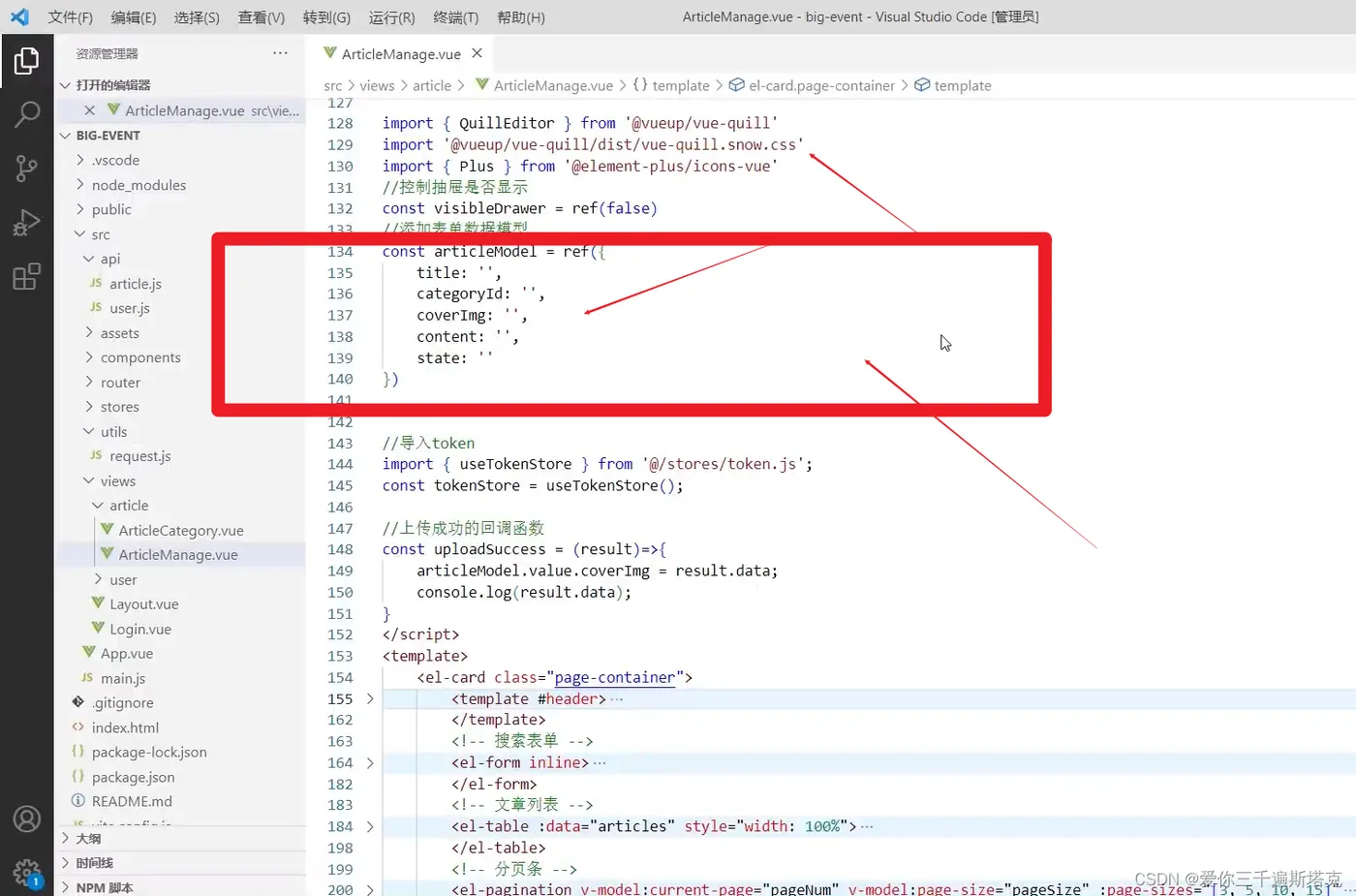
第二步:先定义好数据模型
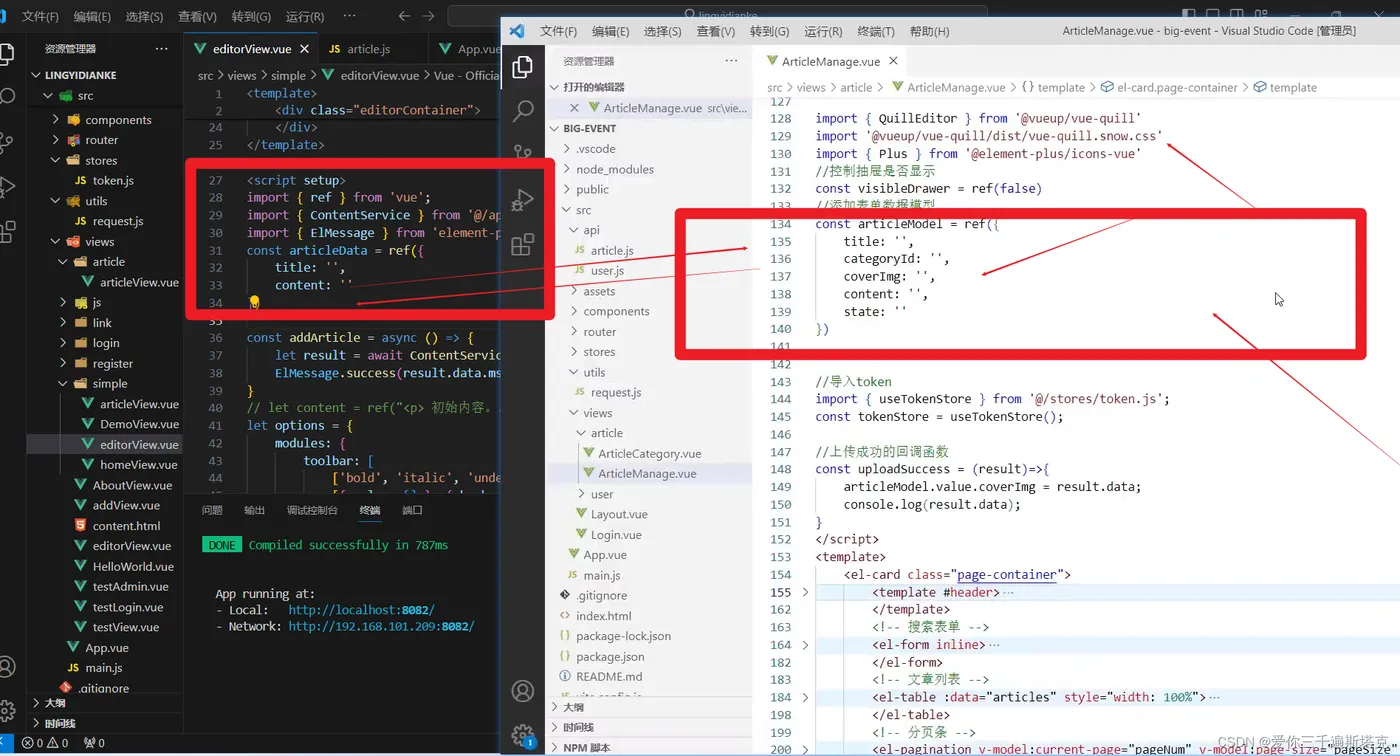
第三步:参考文章管理接口编写内容
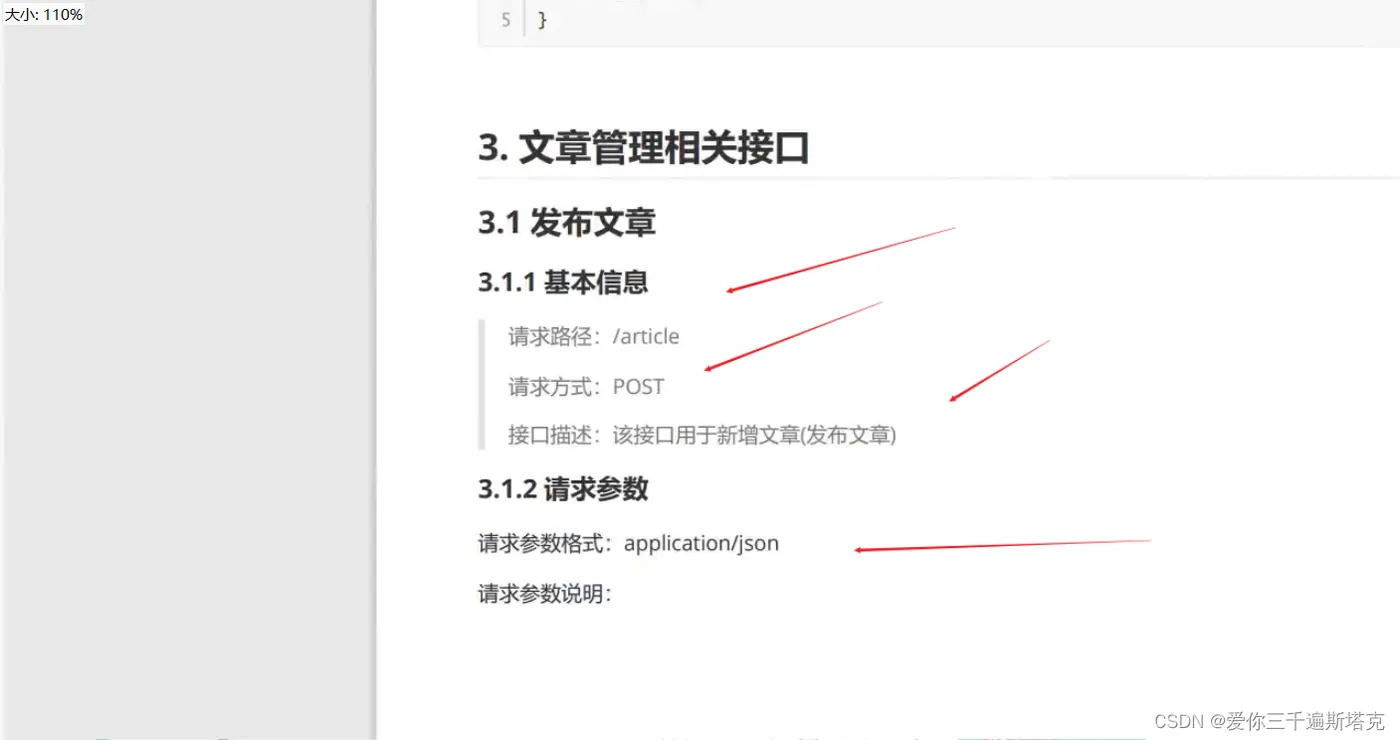
第四步:添加文章数据接口
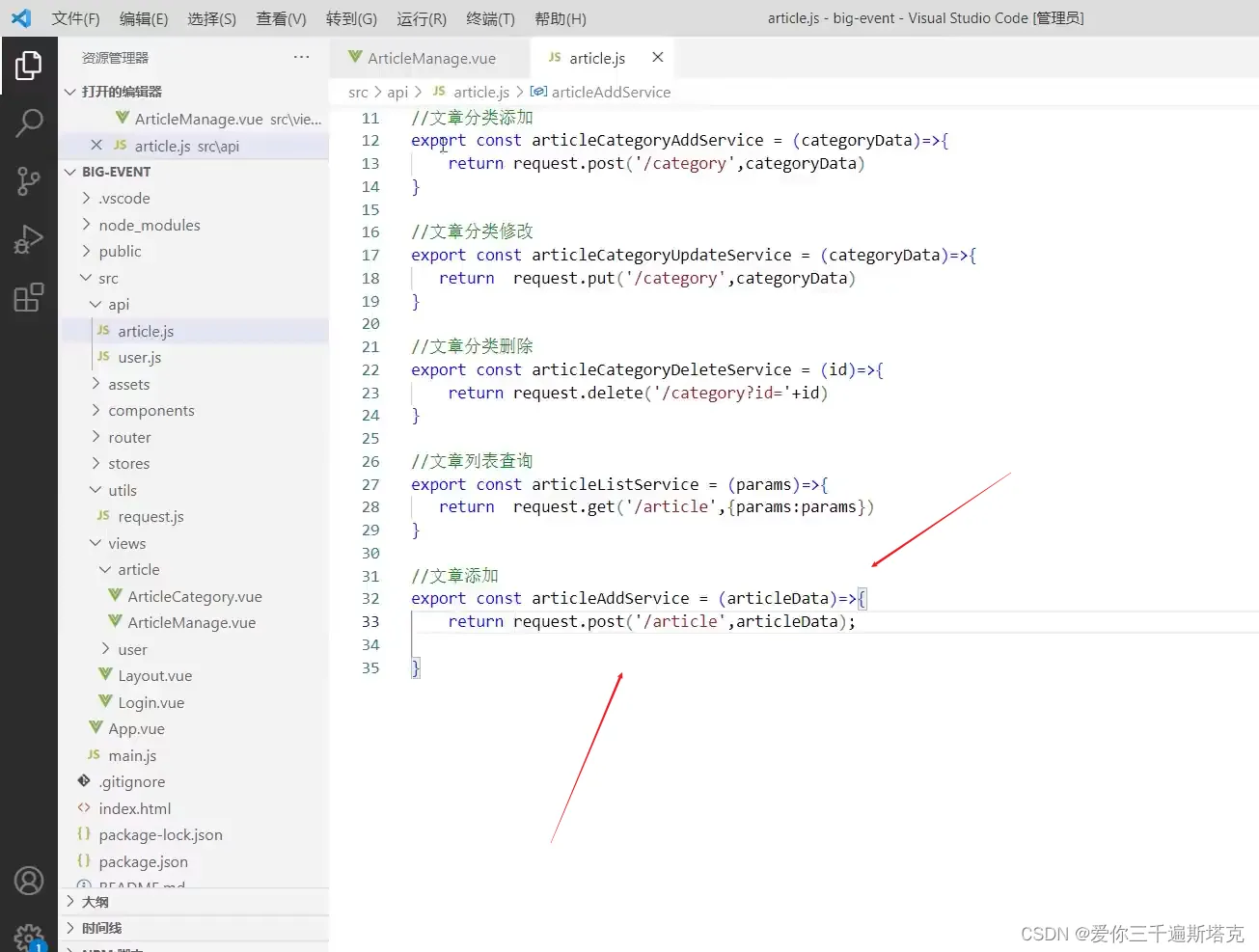
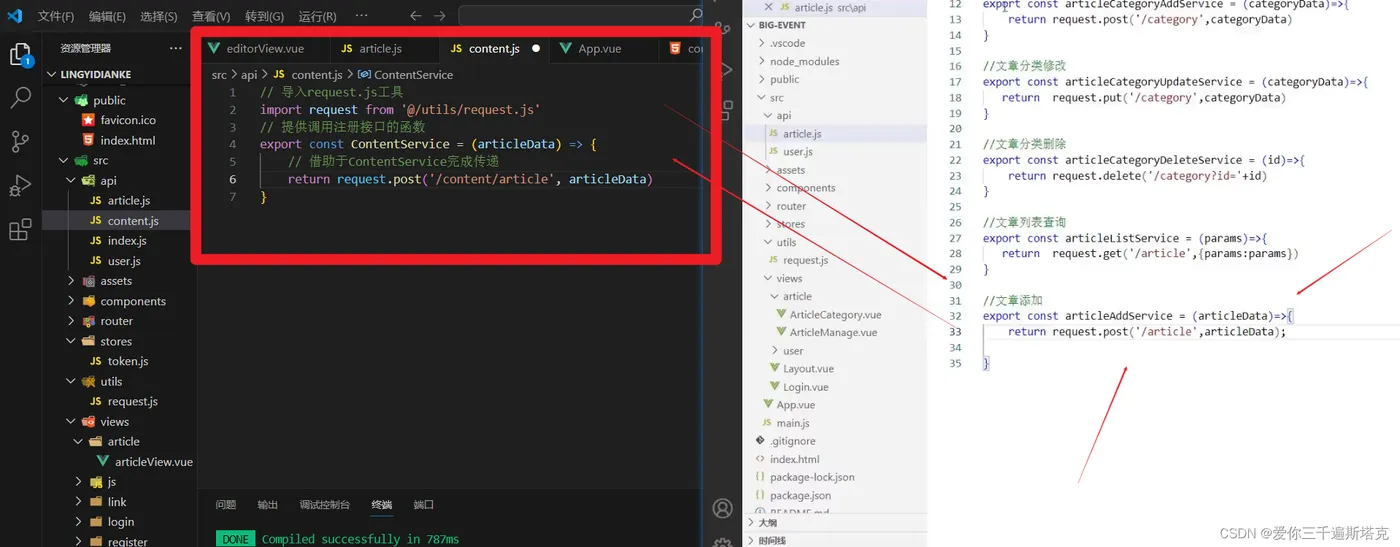
第五步:接口自己之前编写的不一样,应该要编写成这样
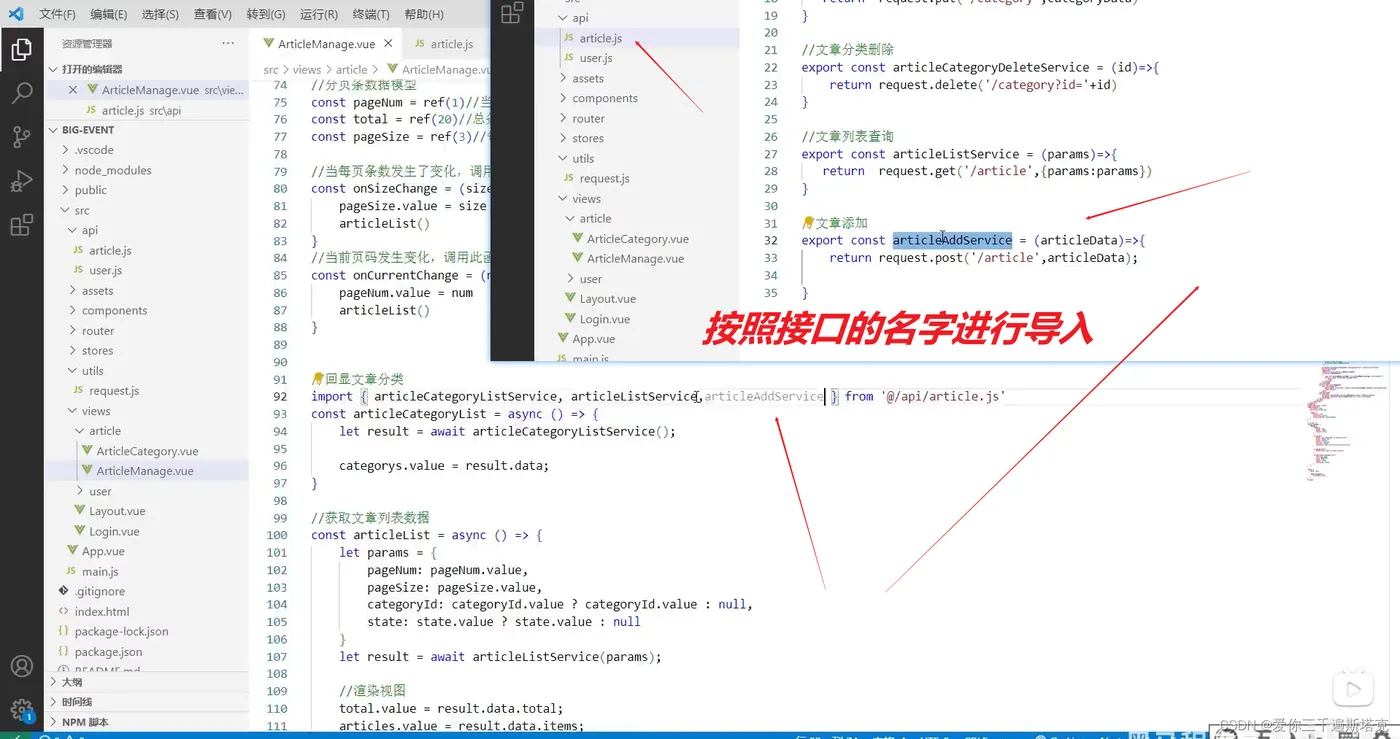
第六步:按照接口的名字进行导入
第七步组件进行导入
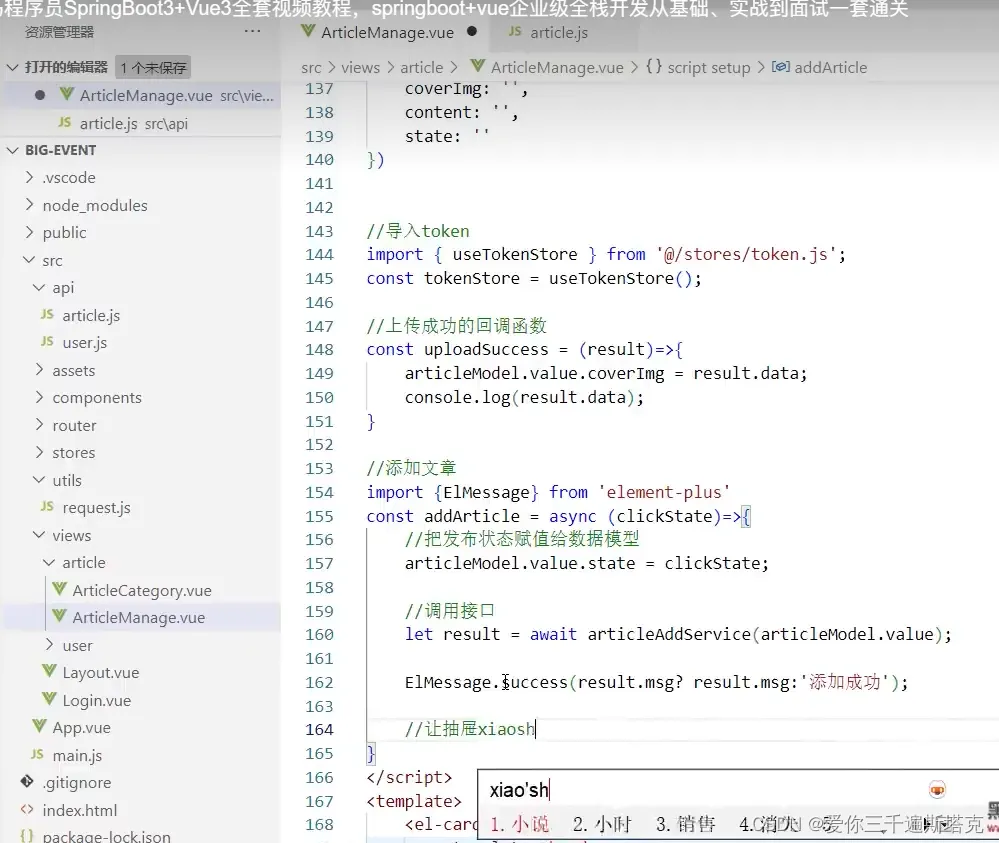
相关资料后端接口资料:
content类
package worldtolingyidianke.file.bean;
import lombok.Data;
@Data
public class Content {
    private Integer id;//主键ID
    private String title;//分类别名
    private String content;//文章内容
}
Controller层
package worldtolingyidianke.file.controller;
import org.springframework.beans.factory.annotation.Autowired;
import org.springframework.web.bind.annotation.*;
import worldtolingyidianke.file.bean.Content;
import worldtolingyidianke.file.bean.Result;
import worldtolingyidianke.file.service.CategoryService;
import worldtolingyidianke.file.service.ContentService;

import javax.servlet.http.HttpServletResponse;

@RestController
@RequestMapping("/content")
@CrossOrigin
public class ContentController {
    @Autowired
    private ContentService contentService;
    @PostMapping("/article")
//    public Result<String> list(){
//        return Result.success("所有的文章数据");
//    }
    public Result content(@RequestBody Content content){
//         调用方法,添加
        contentService.content(content);
        return Result.success();
    }
}
ContentMapper的资料
package worldtolingyidianke.file.mappers;

import org.apache.ibatis.annotations.Insert;
import org.apache.ibatis.annotations.Mapper;
import worldtolingyidianke.file.bean.Content;

@Mapper
public interface ContentMapper {
    // 根据用户名进行添加,
    @Insert("insert into content(title,content)" +
            " values(#{title},#{content})")
    void add(Content content);
}
impl的类:
package worldtolingyidianke.file.service.impl;

import org.springframework.beans.factory.annotation.Autowired;
import org.springframework.stereotype.Service;
import worldtolingyidianke.file.bean.Content;
import worldtolingyidianke.file.mappers.ContentMapper;
import worldtolingyidianke.file.service.ContentService;


@Service
public class ContentServiceImpl implements ContentService {
    @Autowired
    private ContentMapper contentMapper;
    @Override
    public void content(Content content){
        contentMapper.add(content);
    }
}
contentSerivce
package worldtolingyidianke.file.service;

import worldtolingyidianke.file.bean.Content;

public interface ContentService {
    void content(Content content);
}
前端组件:
<template>
    <div class="editorContainer">
        <el-form ref="ruleFormRef" style="max-width: 900px" :model="ruleForm" :rules="rules" label-width="auto"
            class="demo-ruleForm" :size="formSize" status-icon>
            <el-form-item label="标题" prop="name">
                <el-input v-model="articleData.title" />
            </el-form-item>
            <div class="editorContent">
                <div class="leftcontentContainer">内容</div>
                <div class="editor">
                    <quill-editor content-type='html' v-model:content='articleData.content' :options='options'
                        @blur='editorBlur($event)' />
                    <!-- <quill-editor content-type='html' :content='content' :options='options'
                        @blur='editorBlur($event)' /> -->
                    <!-- <quill-editor content-type='html' :content='content' :options='options'
                        @blur='editorBlur($event)' /> -->
                </div>
            </div>
            <div class="mb-4">
                <el-button round>保存</el-button>
                <el-button type="primary" round @click="addArticle">提交</el-button>
            </div>
        </el-form>
    </div>
</template>

<script setup>
import { ref } from 'vue';
import { contentService } from '@/api/content.js'
import { ElMessage } from 'element-plus';
const articleData = ref({
    title: '',
    content: ''
})

const addArticle = async () => {
    let result = await contentService(articleData.value);
    ElMessage.success(result.msg ? result.msg : '添加成功')
}
// let content = ref("<p> 初始内容。。。</p>");
let options = {
    modules: {
        toolbar: [
            ['bold', 'italic', 'underline', 'strike'], // 加粗 斜体 下划线 删除线
            [{ color: [] }, { background: [] }], // 字体颜色、字体背景颜色
            [{ align: [] }], // 对齐方式
            [{ size: ['small', false, 'large', 'huge'] }], // 字体大小
            [{ font: [] }], // 字体种类
            [{ header: [1, 2, 3, 4, 5, 6, false] }], // 标题
            [{ direction: 'ltl' }], // 文本方向
            [{ direction: 'rtl' }], // 文本方向
            [{ indent: '-1' }, { indent: '+1' }], // 缩进
            [{ list: 'ordered' }, { list: 'bullet' }], // 有序、无序列表
            [{ script: 'sub' }, { script: 'super' }], // 上标/下标
            ['blockquote', 'code-block'], // 引用  代码块
            ['clean'], // 清除文本格式
            ['link', 'image', 'video'], // 链接、图片、视频
        ],
    },
};

</script>
<script>

</script>
<style lang="less">
.demo-ruleForm {
    margin: 0 auto;
}

.div span {
    text-align: left;
}

.editorContent {
    display: flex;
}

.editorContainer {
    margin-top: 15px;
}

.leftcontentContainer {
    margin-right: 9px;
}

.editor {
    width: 857px;
    margin-bottom: 60px;
}

.ql-container {
    height: 400px;
}

.demo-ruleForm {
    width: 1000px;
}

.mb-4 button {
    margin: 0 0 0 760px;
}
</style>
until的工具类
import axios from "axios";
import { ElMessage } from "element-plus";

const baseURL = '/api';
const instance = axios.create({
    baseURL: baseURL
});
import { useTokenStore } from '@/stores/token.js'
//添加请求拦截器
instance.interceptors.request.use(
    (config) => {
        //请求前的回调
        //添加token
        const tokenStore = useTokenStore();
        //判断有没有token
        if (tokenStore.token) {
            config.headers.Authorization = tokenStore.token
        }
        return config;
    },
    (err) => {
        //请求错误的回调
        Promise.reject(err)
    }
)
instance.interceptors.response.use(
    result => {
        // 判断业务状态代码
        if (result.data.code === 0) {
            return result.data;
        }
        // 操作失败
        // alert(result.data.msg ? result.data.msg : '服务异常')
        ElMessage.error(result.data.msg ? result.data.msg : '服务异常')
        return Promise.reject(result.data)
    },
    err => {
        alert('服务异常');
        return Promise.reject(err);
    }
)
// 导出axios自定义函数
export default instance
contentAPI的接口
// 导入request.js工具
import request from '@/utils/request.js'
// 提供调用注册接口的函数
export const contentService = (articleData) => {
    // 借助于ContentService完成传递
    return request.post('/content/article', articleData)
}