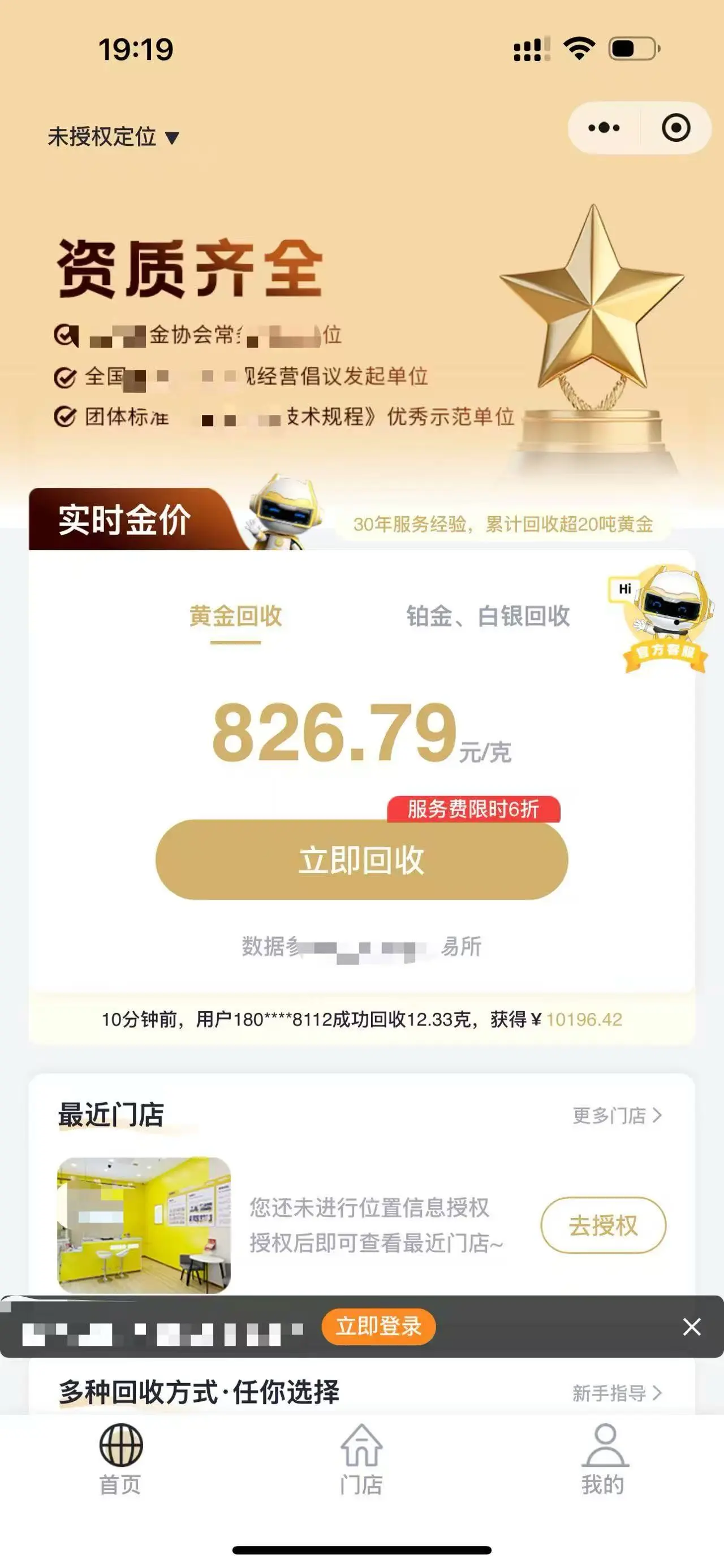
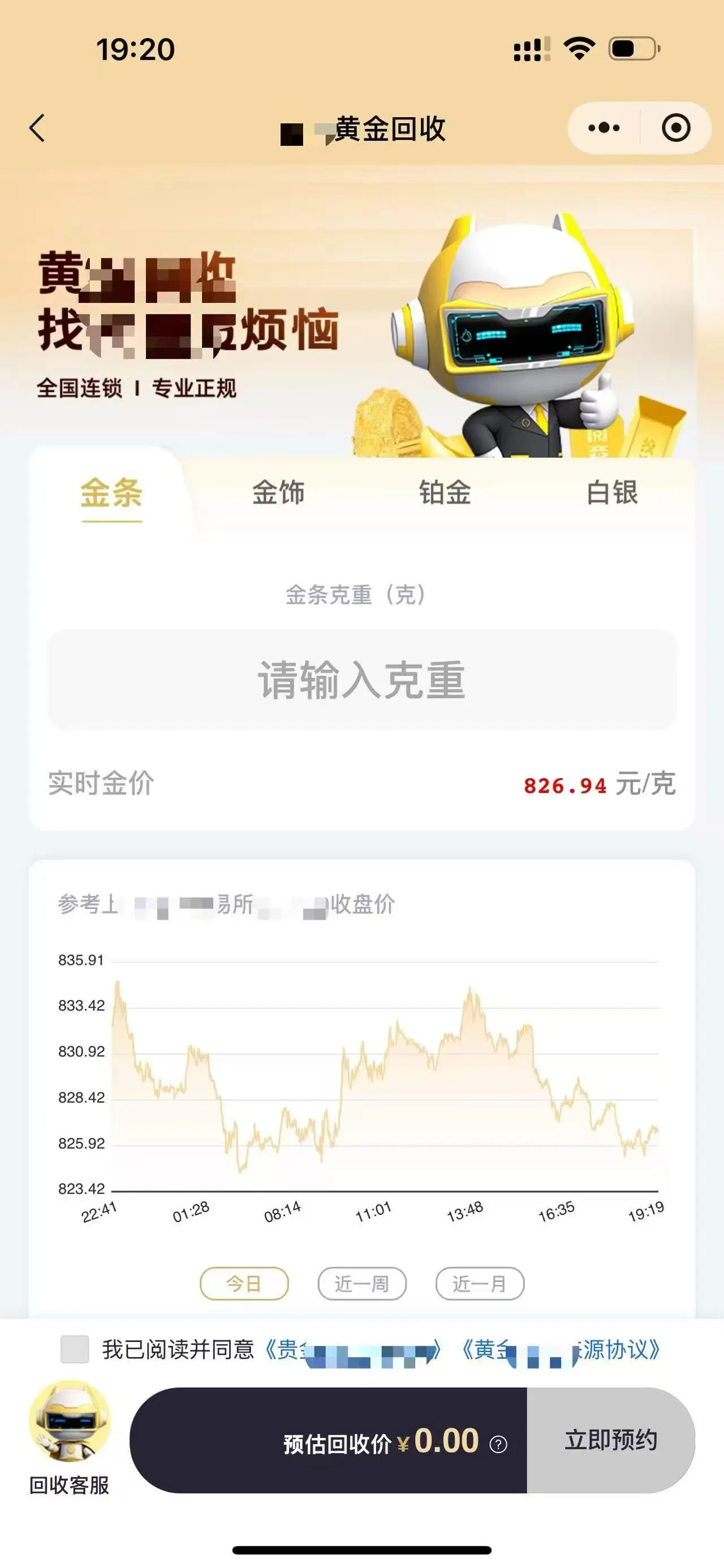
在黄金寄卖寻源平台中,“找货”与“发布需求”是连接买家与卖家的核心链路。由于黄金品类繁多、价格实时波动,且买卖双方往往存在地域分布差异,传统的简单列表展示已无法满足高效撮合的需求。本文从后端撮合算法与空间检索视角,探讨黄金寄卖寻源平台中需求发布与货源匹配的设计与实现,重点解决海量需求的实时撮合、基于地理位置的就近匹配以及高并发下的需求去重等技术难点。
一、 业务背景与架构设计
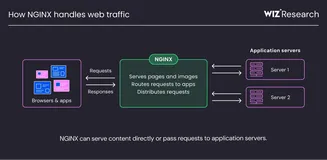
黄金寄卖寻源平台的核心业务流程通常包含:买家发布找货需求(指定品类、克重、预算、地域等)、系统实时撮合匹配符合条件的货源、卖家报价或买家直接下单。在系统架构上,需要解决三个核心问题:一是海量需求的实时撮合,避免买家发布需求后长时间无人响应;二是基于地理位置的就近匹配,优先展示同城或周边的货源以降低物流成本;三是高并发下的需求去重,防止同一买家短时间内重复发布相同需求导致系统资源浪费。推荐采用“倒排索引+Redis GEO空间检索+消息队列异步撮合”的架构,通过倒排索引实现多维度需求的快速检索,利用Redis GEO实现地理位置的就近匹配,结合消息队列实现需求与货源的异步解耦撮合。
二、 核心代码实现
1. 基于Redis GEO的地理位置就近匹配
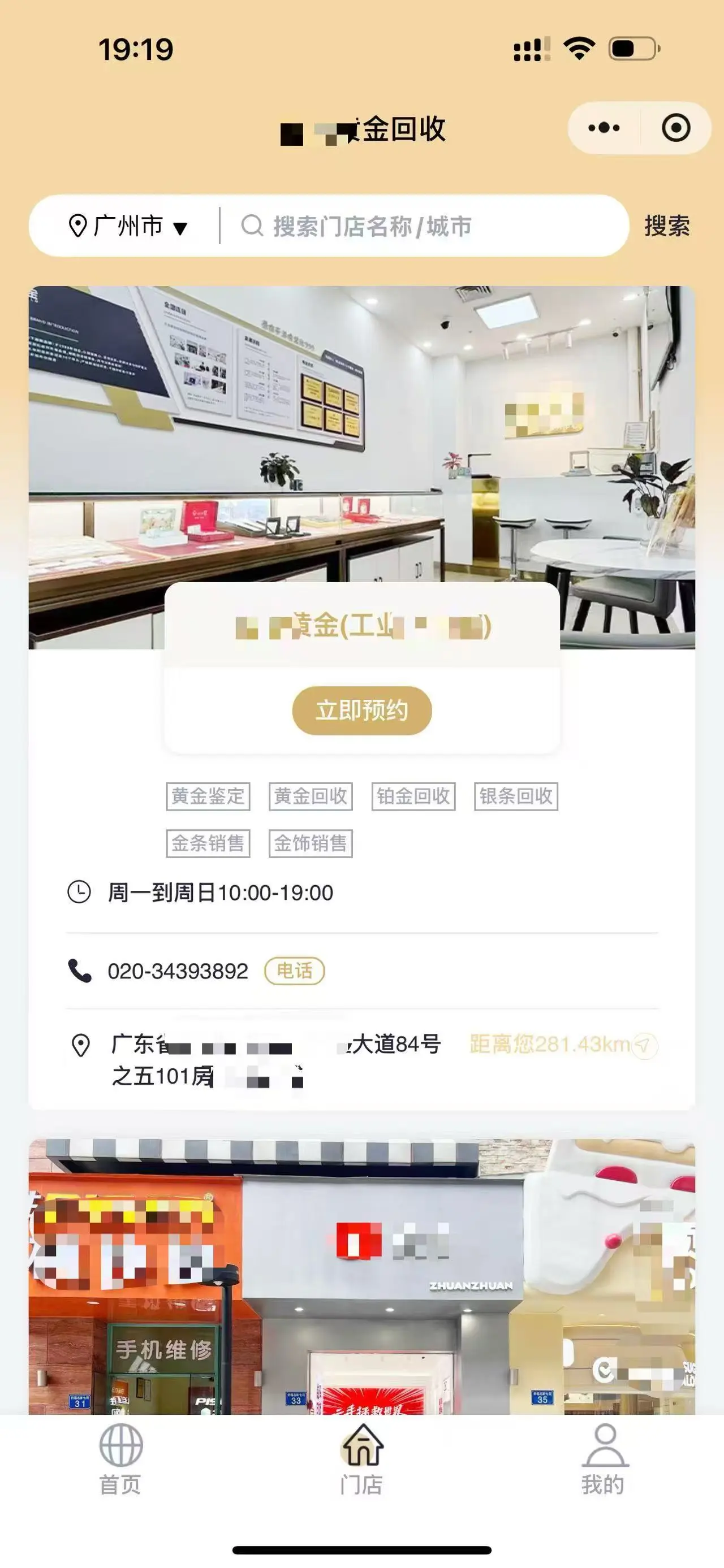
利用Redis GEO的空间索引能力,实现基于买家地理位置的货源就近匹配,优先展示同城或周边的货源,提升撮合效率。
// 基于Redis GEO的就近货源匹配
async function matchNearbySources(buyerLocation, category, maxDistance = 10000) {
  // 1. 从Redis GEO中获取指定半径内的货源ID(按距离升序排列)
  const nearbySources = await redis.georadius(
    `sources:geo:${category}`, // 按品类分组的GEO Key
    buyerLocation.lng,
    buyerLocation.lat,
    maxDistance,
    'm',
    'WITHDIST',
    'WITHCOORD',
    'ASC',
    'COUNT', 20 // 最多返回20条
  );

  if (nearbySources.length === 0) return [];

  // 2. 批量获取货源详细信息
  const sourceIds = nearbySources.map(item => item[0]);
  const sources = await db.collection('gold_sources')
    .where({ _id: db.command.in(sourceIds), status: 'ON_SALE' })
    .get();

  // 3. 合并距离信息并返回
  return sources.data.map(source => {
    const geoItem = nearbySources.find(item => item[0] === source._id);
    return {
      ...source,
      distance: geoItem ? parseFloat(geoItem[1]) : null // 距离(米)
    };
  });
}
2. 基于消息队列的异步需求撮合
为避免买家发布需求后同步等待撮合结果导致接口超时,采用消息队列异步处理撮合逻辑,提升系统响应速度与吞吐量。
// 发布找货需求(异步撮合)
async function publishDemand(buyerId, demandData) {
  // 1. 需求去重:检查短时间内是否已发布相同需求
  const dedupeKey = `demand:dedupe:${buyerId}:${md5(JSON.stringify(demandData))}`;
  const isDuplicate = await redis.set(dedupeKey, '1', 'NX', 'EX', 300); // 5分钟内去重
  if (!isDuplicate) {
    throw new Error('请勿重复发布相同需求');
  }

  // 2. 保存需求到数据库
  const demandId = await db.collection('demands').add({
    data: {
      buyer_id: buyerId,
      ...demandData,
      status: 'MATCHING',
      create_time: new Date()
    }
  });

  // 3. 发送撮合消息到队列(异步处理)
  await mq.send('demand_match_queue', {
    demandId,
    buyerId,
    category: demandData.category,
    location: demandData.location
  });

  return demandId;
}

// 消费者:异步撮合需求与货源
async function processDemandMatch(message) {
  const { demandId, buyerId, category, location } = message;

  try {
    // 1. 执行就近货源匹配
    const matchedSources = await matchNearbySources(location, category);

    if (matchedSources.length > 0) {
      // 2. 保存撮合结果
      await db.collection('match_results').add({
        data: {
          demand_id: demandId,
          source_ids: matchedSources.map(s => s._id),
          match_time: new Date()
        }
      });

      // 3. 更新需求状态为已匹配
      await db.collection('demands').doc(demandId).update({
        status: 'MATCHED',
        update_time: new Date()
      });

      // 4. 推送通知给买家
      await pushService.send(buyerId, '您的找货需求已匹配到货源', { demandId });
    }
  } catch (error) {
    // 撮合失败,更新需求状态
    await db.collection('demands').doc(demandId).update({
      status: 'MATCH_FAILED',
      error_msg: error.message,
      update_time: new Date()
    });
  }
}
三、 总结
黄金寄卖寻源平台的技术核心在于高效的需求撮合与精准的地理匹配。通过Redis GEO的空间索引能力,实现基于地理位置的就近货源匹配,提升撮合效率与用户体验;结合消息队列异步撮合机制,有效避免同步等待导致的接口超时,保障系统在高并发场景下的稳定性。这种架构不仅适用于黄金寄卖寻源场景,也可推广至其他需要多维度撮合与地理匹配的O2O服务平台,为高并发、高实时性的业务系统提供通用解决方案。