- DAO层
PaymentDao
/**
 * @author lxy
 * @version 1.0
 * @Description 支付dao类
 * @date 2021/12/23 11:06
 */
@Mapper
@Repository
public interface PaymentDao {
    public int create(Payment payment);
    public Payment getPaymentById(@Param("id") Long id);
}
PaymentMapper.xml
<?xml version="1.0" encoding="UTF-8" ?>
<!DOCTYPE mapper PUBLIC "-//mybatis.org//DTD Mapper 3.0//EN" "http://mybatis.org/dtd/mybatis-3-mapper.dtd" >
<mapper namespace="com.rg.springcloud.dao.PaymentDao">
    <!--设置useGeneratedKeys参数值为true,在执行添加记录之后可以获取到数据库自动生成的主键ID。-->
    <insert id="create" parameterType="com.rg.springcloud.pojo.Payment" useGeneratedKeys="true" keyProperty="id">
        INSERT INTO payment(serial) VALUES(#{serial})
    </insert>
    <resultMap id="BaseResultMap" type="com.rg.springcloud.pojo.Payment">
        <!--jdbcType这个参数的应用场景就是,当执行mapping文件的时候,有个映射的参数为空,那么无法确定他的类型,这个时候就需要jdbcType来确定类型。-->
        <id column="id" property="id" jdbcType="BIGINT"/>
        <result column="serial" property="serial" jdbcType="VARCHAR"/>
    </resultMap>
    <select id="getPaymentById" resultMap="BaseResultMap" parameterType="long">
        SELECT * FROM payment WHERE id = #{id}
    </select>
</mapper>
- service层
public interface PaymentService {
    public int create(Payment payment);
    public Payment getPaymentById(@Param("id") Long id);
}
@Service
public class PaymentServiceImpl implements PaymentService {
    @Autowired
    private PaymentDao paymentDao;
    @Override
    public int create(Payment payment) {
        return paymentDao.create(payment);
    }
    @Override
    public Payment getPaymentById(Long id) {
        return paymentDao.getPaymentById(id);
    }
}
- controller层
/**
 * @author lxy
 * @version 1.0
 * @Description PaymentController
 * @date 2021/12/23 11:27
 */
@Slf4j
@RestController
public class PaymentController {
    @Resource
    private PaymentService paymentService;
    @PostMapping(value = "/payment/create")
    public CommonResult create(Payment payment){ // ??? 为啥这里不需要@RequestBody呢??
        int result = paymentService.create(payment);
        log.info("*****插入操作返回结果*:"+result);
        if(result>0) {
            return new CommonResult(200, "插入数据成功", result);
        }else
        {
            return new CommonResult(444, "插入数据失败");
        }
    }
    @GetMapping(value = "/payment/get/{id}")
    public CommonResult getPaymentById(@PathVariable("id") Long id) {
        Payment payment = paymentService.getPaymentById(id);
        log.info("*****查询结构:{}", payment);
        if(payment!=null){
            return new CommonResult(200, "查询成功", payment);
        }else{
            return new CommonResult(444, "没有对应记录,查询ID:" + id);
        }
    }
}
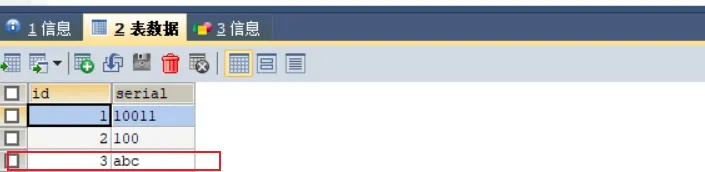
- 测试
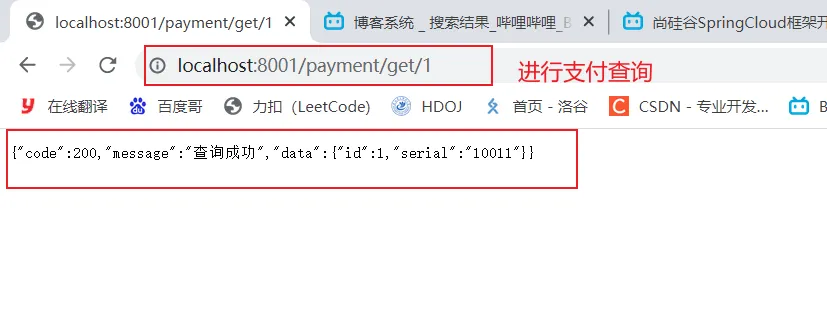
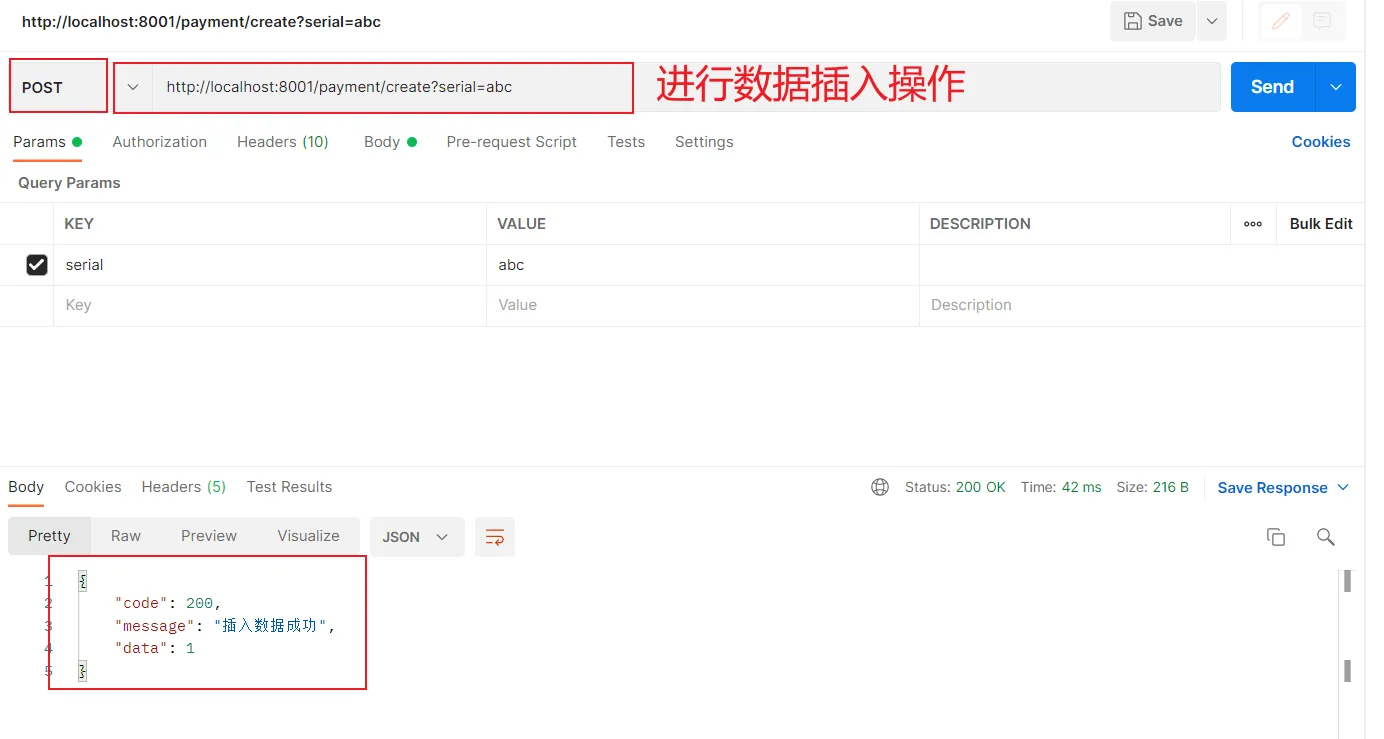
- 小结
SpringBoot创建模块的五个步骤:
1.建module
2.改POM
3.写YML
4.主启动
5.业务类
1.2.2 热部署Devtools
1.Adding devtools to your project
<dependency>
    <groupId>org.springframework.boot</groupId>
    <artifactId>spring-boot-devtools</artifactId>
    <scope>runtime</scope>
    <optional>true</optional>
</dependency>
2.Adding plugin to your pom.xml
下段配置我们粘贴进聚合父类总工程的pom.xml里
<build>
    <!--finalName:工程名称-->
    <finalName>cloud2021</finalName>
    <plugins>
      <plugin>
        <groupId>org.springframework.boot</groupId>
        <artifactId>spring-boot-maven-plugin</artifactId>
        <configuration>
          <fork>true</fork>
          <addResources>true</addResources>
        </configuration>
      </plugin>
    </plugins>
</build>
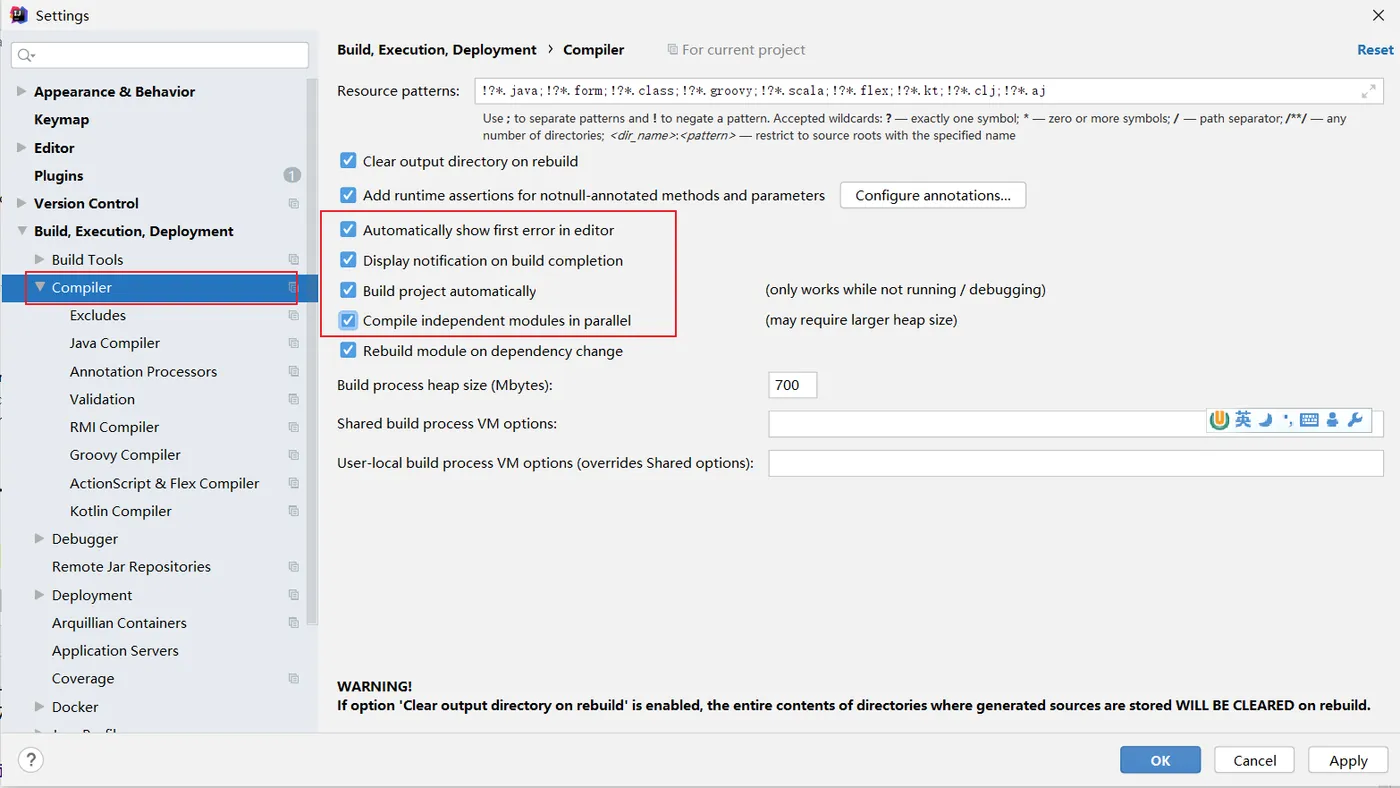
3.Enabling automatic build
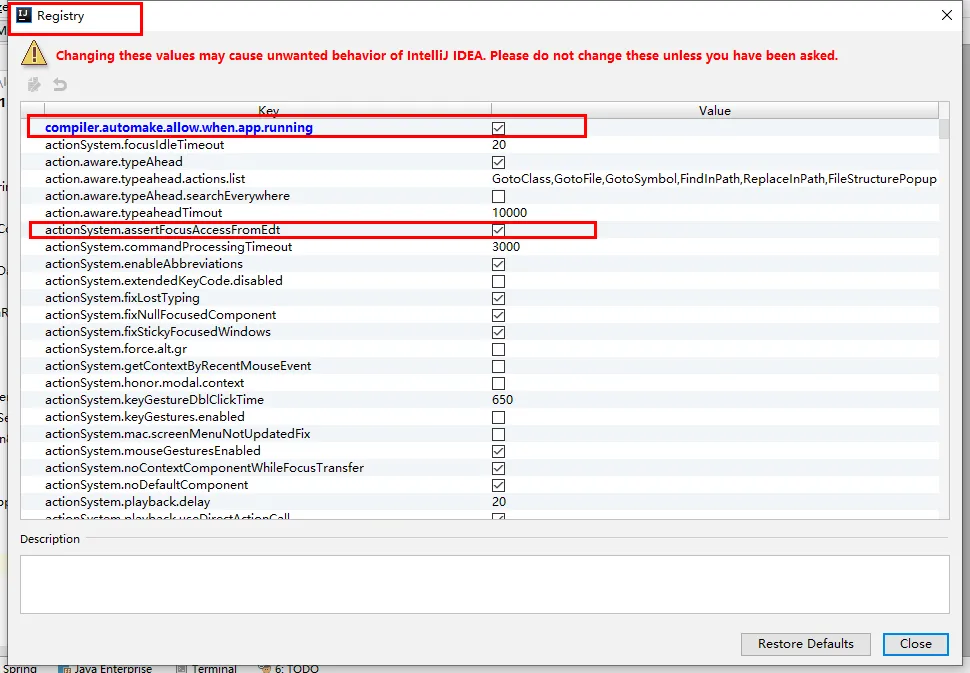
4.Update the value of

5.重启IDEA
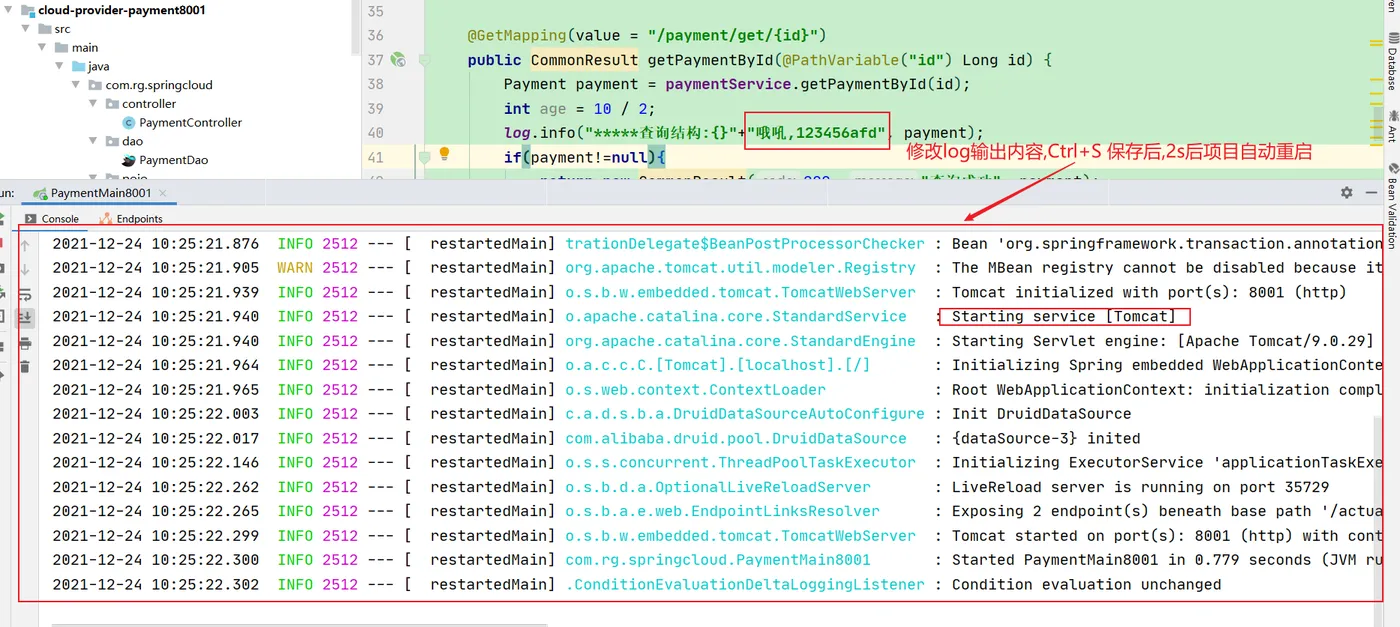
6.进行测试
1.2.3 cloud-consumer-order80:微服务消费者订单Module模块
- 建cloud-consumer-order80
- 改POM
<?xml version="1.0" encoding="UTF-8"?>
<project xmlns="http://maven.apache.org/POM/4.0.0"
         xmlns:xsi="http://www.w3.org/2001/XMLSchema-instance"
         xsi:schemaLocation="http://maven.apache.org/POM/4.0.0 http://maven.apache.org/xsd/maven-4.0.0.xsd">
    <parent>
        <artifactId>cloud2021</artifactId>
        <groupId>com.rg.springcloud</groupId>
        <version>1.0-SNAPSHOT</version>
    </parent>
    <modelVersion>4.0.0</modelVersion>
    <artifactId>cloud-consumer-order80</artifactId>
    <dependencies>
        <!-- 引入自己定义的api通用包,可以使用Payment支付Entity -->
        <dependency>
            <groupId>com.rg.springcloud</groupId>
            <artifactId>cloud-api-commons</artifactId>
            <version>${project.version}</version>
        </dependency>
        <dependency>
            <groupId>org.springframework.boot</groupId>
            <artifactId>spring-boot-starter-web</artifactId>
        </dependency>
        <dependency>
            <groupId>org.springframework.boot</groupId>
            <artifactId>spring-boot-starter-actuator</artifactId>
        </dependency>
        <dependency>
            <groupId>org.springframework.boot</groupId>
            <artifactId>spring-boot-devtools</artifactId>
            <scope>runtime</scope>
            <optional>true</optional>
        </dependency>
        <dependency>
            <groupId>org.projectlombok</groupId>
            <artifactId>lombok</artifactId>
            <optional>true</optional>
        </dependency>
        <dependency>
            <groupId>org.springframework.boot</groupId>
            <artifactId>spring-boot-starter-test</artifactId>
            <scope>test</scope>
        </dependency>
    </dependencies>
</project>
- 写YML
server:
  port: 80
- 主启动
@SpringBootApplication
public class OrderMain80 {
    public static void main(String[] args) {
        SpringApplication.run(OrderMain80.class,args);
    }
}
业务类
pojo
同cloud-provider-payment8001模块的pojo
首说RestTemplate
RestTemplate提供了多种便捷访问远程Http服务的方法,
是一种简单便捷的访问restful服务模板类,是Spring提供的==用于访问Rest服务==的客户端模板工具集
官网:https://docs.spring.io/spring-framework/docs/5.2.2.RELEASE/javadoc-api/org/springframework/web/client/RestTemplate.html
使用:
使用restTemplate访问restful接口非常的简单粗暴无脑。
(url, requestMap, ResponseBean.class)这三个参数分别代表 REST请求地址、请求参数、HTTP响应转换被转换成的对象类型。
config配置类
@Configuration
public class ApplicationContextConfig {
    //向SpringBoot容器中加入该组件
    @Bean
    public RestTemplate restTemplate(){
        return new RestTemplate();
    }
}